Water Flosser vs String Floss: Which One Should You Use?
Brushing alone cleans only about 60 percent of your tooth surfaces. The spaces between teeth need extra attention, and that is where flossing comes in. If you live near Sector 37, Faridabad and are wondering whether to pick up a water flosser or stick with traditional string floss, this guide breaks down the differences so you can choose what fits your routine and your mouth.
Why Interdental Cleaning Matters
Plaque builds up between teeth where a toothbrush cannot reach. Left uncleaned, this leads to cavities between teeth, gum inflammation, and bad breath. Both water flossers and string floss aim to solve this problem, but they work differently.
How String Floss Works
Traditional string floss is a thin thread that you guide between teeth and gently move up and down. It physically scrapes plaque and food particles off the tooth surface and below the gumline.
Advantages
- Low cost and widely available at any pharmacy in Sector 37
- Effective at removing sticky plaque through direct contact
- No batteries, charging, or maintenance needed
- Easy to carry while travelling
Limitations
- Requires good finger dexterity and technique
- Can be harder for people with braces, bridges, or arthritis
- Some people find it uncomfortable or skip it due to bleeding gums
How Water Flossers Work
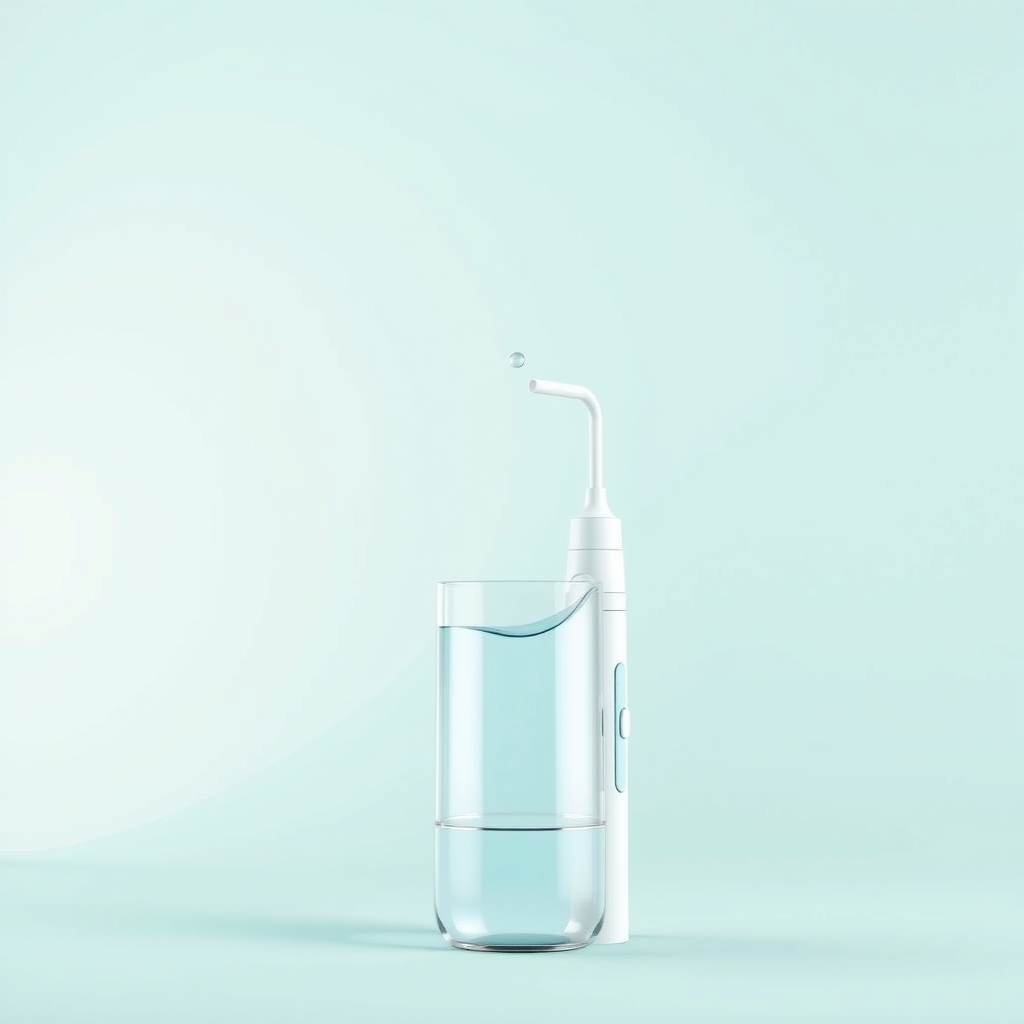
A water flosser uses a steady, pulsating stream of water to flush out debris and plaque from between teeth and along the gumline. You hold a small wand and aim the water tip at each interdental space.
Advantages
- Gentle on sensitive or bleeding gums
- Easier for people with braces, implants, bridges, or limited hand mobility
- Can reach deeper gum pockets that string floss may miss
- Many people find it more comfortable, so they use it consistently
Limitations
- Higher upfront cost for the device
- Needs counter space, water refills, and occasional cleaning
- May not remove all sticky plaque as effectively as direct scraping
- Can be a bit messy until you get used to the angle and pressure
Side by Side Comparison
| Factor | String Floss | Water Flosser |
|---|---|---|
| Plaque removal | Strong, direct contact | Good, especially for debris and gum pockets |
| Ease of use | Needs practice | Beginner friendly |
| Good for braces or implants | Difficult | Easier |
| Gentleness on gums | Can irritate if too rough | Generally gentle |
| Upfront cost | Low | Moderate, typical range for a basic device is often a few hundred to a couple thousand rupees depending on features |
| Portability | Very easy | Less convenient while travelling |
Which One Should You Choose?
If you have healthy gums, good dexterity, and want a simple daily habit, string floss remains an excellent, low-cost choice. If you have braces, dental implants, bridges, sensitive or bleeding gums, or find string floss awkward to use, a water flosser may suit you better and help you stay consistent.
Many patients at our Sector 37 clinic use a combination approach, string floss for daily plaque removal and a water flosser a few times a week for extra cleaning around hard to reach areas. This combined method often gives the most complete results.
Tips for Getting the Most Out of Either Method
- Be gentle to avoid injuring your gums, regardless of method
- Floss or use the water flosser once a day, ideally before bedtime brushing
- Replace floss picks or water flosser tips regularly for hygiene
- If gums bleed for more than a week of consistent use, get checked by a dentist
Whichever method you choose, the most important factor is consistency. A tool used daily, even if not perfect, is far better than an ideal tool used occasionally. If you are unsure which option suits your teeth, gums, or any dental work you have, our team at Mukand Dental Care in Sector 37, Faridabad can guide you based on a quick check of your mouth.
Have questions about your teeth?
Mukand Dental Care · Devi Sahai Market, Sector 37, Faridabad
Frequently asked questions
Can a water flosser fully replace string floss?
For most people, no. Water flossers are great at flushing out debris and reducing gum inflammation, but string floss physically scrapes plaque off the tooth surface. Many dentists suggest combining both for the best results.
Is a water flosser better for braces or implants?
Yes, generally. Water flossers can reach around brackets, wires, and under bridges or implants more easily than string floss, which can be tricky to thread through these areas.
How often should I use a water flosser or string floss?
Once daily is the general recommendation for either method, ideally at the same time as brushing, such as before bed.
Which option is more affordable?
String floss has a lower upfront cost, while water flossers need a one-time device purchase. Both are cost-effective over time compared to treating gum disease later.
Treatment costs mentioned on this page are indicative ranges for the Sector 37, Faridabad region. Your exact cost depends on your case and will be confirmed after a clinical examination at the clinic.