Tooth Abscess: Warning Signs and How It Is Treated
A throbbing toothache that will not let you sleep, or a swollen face that seems to be getting worse by the hour, are often signs of a tooth abscess. This is a common but serious dental problem that needs prompt attention. If you live around Sector 37, Faridabad and are dealing with these symptoms, understanding what is happening can help you decide how quickly to seek care.
What Is a Tooth Abscess
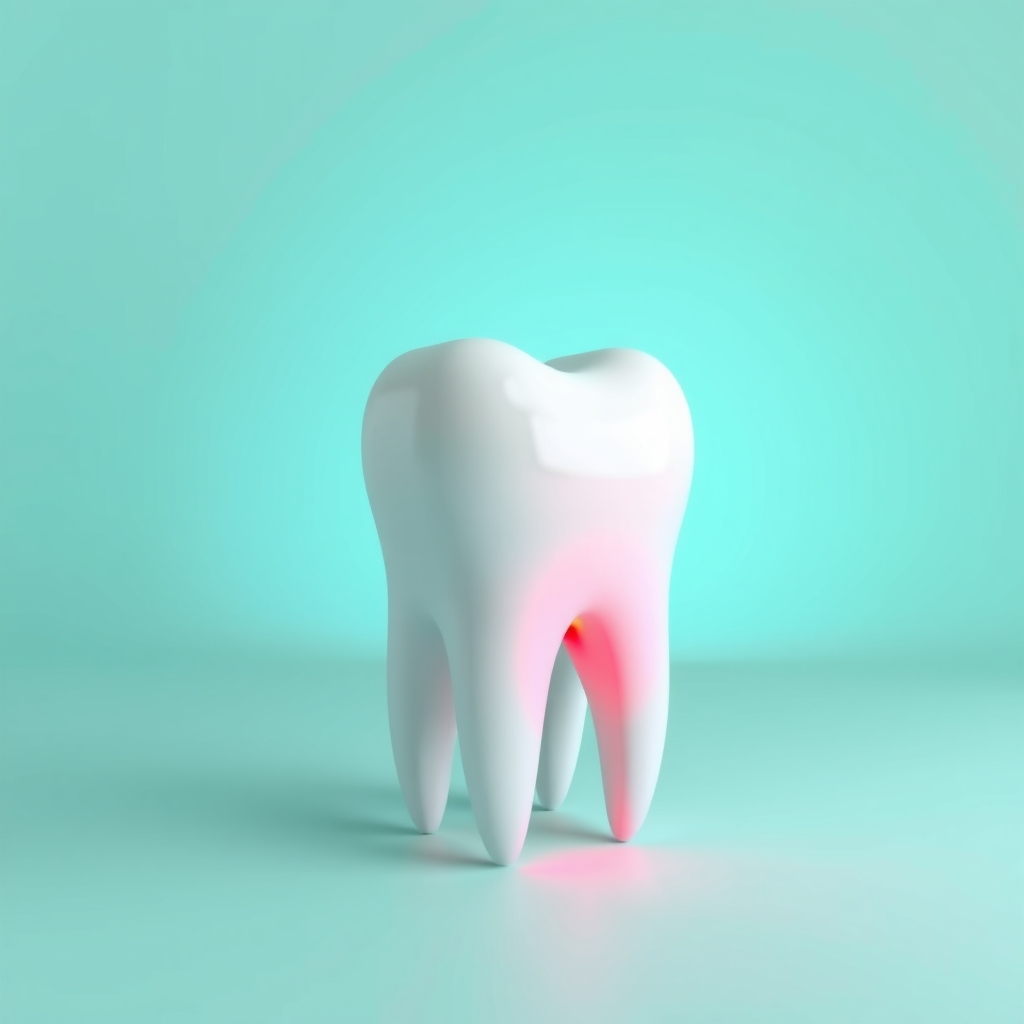
A tooth abscess is a pocket of infection filled with pus that forms inside or around a tooth. It usually happens when bacteria enter the inner part of the tooth through a deep cavity, a crack, or gum disease, and then multiply in a space where the body cannot easily fight them off. As the infection grows, pressure builds up, which is what causes the intense pain and swelling.
There are two common types:
- Periapical abscess: forms at the tip of the tooth's root, usually from untreated decay reaching the nerve.
- Periodontal abscess: forms in the gum beside a tooth, usually linked to gum disease or trapped debris.
Warning Signs to Watch For
Not every toothache is an abscess, but certain symptoms are strong indicators that infection is present. Pay attention if you notice:
- A constant, throbbing pain that may spread to the jaw, ear, or neck
- Swelling in the face, cheek, or gum near the affected tooth
- Redness and tenderness in the gums
- A bad taste in the mouth or bad breath that does not go away
- Sensitivity to hot or cold that lingers much longer than usual
- Pain that gets worse when lying down or chewing
- Fever, general tiredness, or swollen lymph nodes in the neck
- A pimple-like bump on the gum that may drain fluid
If swelling spreads to the eye, neck, or under the jaw, or if you have trouble breathing or swallowing, this needs urgent medical attention, not just a routine dental visit.
Why It Should Never Be Ignored
An untreated abscess does not simply disappear. The infection can spread to nearby teeth, the jawbone, or even into the bloodstream in rare but serious cases. Delaying treatment often means more pain, more damage to the tooth, and a more complicated (and sometimes more costly) treatment later. Getting checked early, even if the pain seems to reduce on its own, is the safer choice.
Why Pain Sometimes "Goes Away" on Its Own
Sometimes the pain lessens because the nerve inside the tooth has died, or because the abscess has ruptured and drained temporarily. This does not mean the infection is gone. It usually means the problem is quietly getting worse under the surface.
How Dentists Diagnose an Abscess
At the clinic, diagnosis typically involves:
- A visual and physical examination of the painful area
- Gently tapping on the tooth to check sensitivity
- An X-ray to see the extent of infection and check nearby bone
- Checking for swelling, fever, or lymph node changes
How a Tooth Abscess Is Treated
The main goal of treatment is to remove the source of infection and relieve the pressure causing pain. Depending on the severity, the dentist may recommend:
- Draining the abscess: a small cut is made to let the pus drain out, giving quick relief from pressure.
- Root canal treatment: the infected inner tissue of the tooth is removed, cleaned, and sealed, allowing the natural tooth to be saved.
- Tooth extraction: if the tooth is too damaged to save, removal may be the safest option to stop the infection from spreading.
- Antibiotics: may be prescribed alongside the main treatment if the infection has started to spread, though they are not a standalone cure.
- Deep cleaning: for periodontal abscesses linked to gum disease, thorough cleaning around the gum line is often needed.
| Treatment | Purpose |
|---|---|
| Drainage | Immediate relief of pressure and pain |
| Root canal | Removes infection while saving the natural tooth |
| Extraction | Removes a tooth that cannot be saved |
| Antibiotics | Controls spreading infection alongside dental treatment |
What Happens If You Wait Too Long
The longer an abscess is left untreated, the more likely it is to affect the jawbone, spread to other teeth, or require more extensive treatment. In some cases, patients need hospital-based care if the swelling affects breathing or swallowing. Seeing a dentist at the first sign of persistent pain or swelling is always the safer path.
Costs in Sector 37, Faridabad
Treatment cost depends on whether the tooth needs a root canal, extraction, or additional procedures like a crown. As a general guide, simple drainage and medication sit at the lower end, while root canal treatment with a crown is on the higher end of the typical range. An in-person examination and X-ray give the clearest picture of what your specific case will need.
If you are experiencing throbbing pain, swelling, or any of the warning signs mentioned above, it is best not to wait. Early treatment is usually simpler, more comfortable, and better for saving your natural tooth.
Have questions about your teeth?
Mukand Dental Care · Devi Sahai Market, Sector 37, Faridabad
Frequently asked questions
Can a tooth abscess heal on its own without treatment?
No. A tooth abscess will not heal by itself. The infection needs to be drained and its cause treated, otherwise it can keep spreading or come back.
Is a tooth abscess an emergency?
Yes, especially if there is facial swelling, fever, or difficulty swallowing or breathing. These signs mean the infection may be spreading and you should see a dentist or visit a hospital right away.
Will antibiotics alone cure a tooth abscess?
Antibiotics can help control the spread of infection temporarily, but they do not remove the source. The tooth still needs draining, root canal treatment, or extraction for a lasting cure.
How much does tooth abscess treatment cost in Sector 37, Faridabad?
Costs depend on whether the tooth can be saved with a root canal or needs extraction, plus any medication needed. Typical range varies case to case, so an in-clinic exam gives the most accurate estimate.
Treatment costs mentioned on this page are indicative ranges for the Sector 37, Faridabad region. Your exact cost depends on your case and will be confirmed after a clinical examination at the clinic.