TMJ Disorder: Why Your Jaw Hurts, Clicks, or Locks
If you have jaw pain, a clicking sound when you open your mouth, or headaches that seem to start near your ears, you may be dealing with a TMJ disorder. This is a common condition, and the good news is that it is usually manageable once the cause is understood. Here is what patients in Sector 37, Faridabad should know about this condition.
What Is the TMJ?
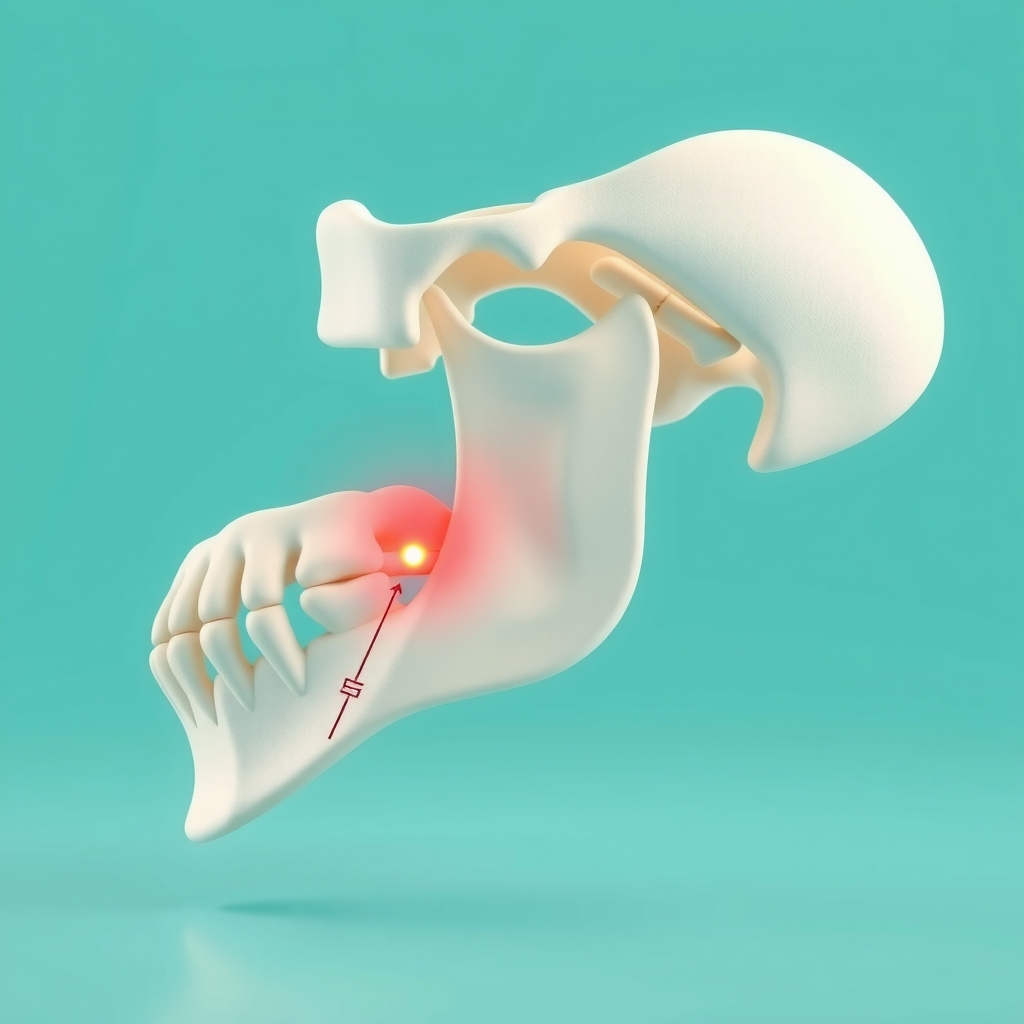
The temporomandibular joint (TMJ) connects your lower jaw to your skull, just in front of each ear. You have one on each side, and they work together every time you talk, chew, or yawn. A TMJ disorder happens when this joint or the muscles around it do not function smoothly, leading to pain, stiffness, or unusual sounds.
Common Symptoms of TMJ Disorder
- Pain or tenderness in the jaw, especially near the ear
- Clicking, popping, or grinding sounds when opening or closing the mouth
- Difficulty chewing or a feeling that the jaw is stuck or locked
- Headaches, particularly around the temples
- Earache or a feeling of fullness in the ear without infection
- Discomfort while yawning or opening the mouth wide
Symptoms can appear on one side or both, and they may come and go depending on stress levels, sleep quality, or jaw use.
What Causes TMJ Disorder?
There is rarely a single cause. Instead, TMJ problems often develop from a combination of factors, including:
- Teeth grinding or clenching, often during sleep or under stress
- Jaw misalignment or an uneven bite that puts extra strain on the joint
- Arthritis affecting the joint cartilage
- Jaw injury from a fall, accident, or sports impact
- Chronic stress, which leads to unconscious muscle tension in the jaw
- Poor posture, particularly forward head posture that strains neck and jaw muscles
Because headaches and jaw pain overlap with other conditions, it helps to have a dentist rule out dental causes before assuming it is only stress or posture related.
How TMJ Disorder Is Diagnosed
At a dental clinic, diagnosis usually starts with a conversation about your symptoms, followed by a physical examination. This may include:
- Checking your jaw's range of motion and listening for clicking or grinding sounds
- Feeling the jaw muscles and joint for tenderness or swelling
- Examining your bite and how your teeth come together
- Reviewing your medical history for teeth grinding, stress, or previous jaw injury
- Taking an X-ray or other imaging if the joint structure needs closer evaluation
This step-by-step approach helps identify whether the issue is muscle-related, joint-related, or connected to your bite alignment.
Treatment Options at a Dental Clinic
Treatment for TMJ disorder is usually conservative and builds up gradually, starting with the simplest options.
Home Care and Lifestyle Changes
- Eating softer foods for a few weeks to rest the jaw
- Applying warm or cold compresses to ease muscle tension
- Avoiding wide yawning, gum chewing, or nail biting
- Practising gentle jaw stretches as advised by your dentist
Dental Interventions
- Night guards or splints to reduce grinding and protect the joint during sleep
- Bite adjustment if uneven teeth contact is contributing to strain
- Referral for physiotherapy when muscle tightness is the main issue
Most patients notice improvement within a few weeks of starting treatment, though it can take longer for chronic cases.
| Treatment | Typical Range (INR) |
|---|---|
| TMJ consultation and examination | Typical range: Rs 300 to Rs 800 |
| Custom night guard or splint | Typical range: Rs 3,000 to Rs 8,000 |
| Bite adjustment session | Typical range: Rs 500 to Rs 2,000 |
These are general estimates. Actual costs depend on the severity of your condition and the specific treatment plan your dentist recommends.
When to See a Dentist
If jaw pain lasts more than a week, if your jaw locks or gets stuck, or if headaches are becoming frequent, it is best to get it checked. Early evaluation often means simpler treatment. Patients in and around Sector 37, Faridabad can visit Mukand Dental Care at Devi Sahai Market for a thorough jaw and bite examination.
Have questions about your teeth?
Mukand Dental Care · Devi Sahai Market, Sector 37, Faridabad
Frequently asked questions
Is TMJ disorder permanent?
Not usually. Many cases improve with conservative treatment like night guards, physiotherapy exercises, and habit changes. Severe or long-standing cases may need ongoing management, but permanent worsening is uncommon with proper care.
Can I ignore jaw clicking if it does not hurt?
Painless clicking alone often does not need treatment. However, it is worth mentioning to your dentist during a routine visit so it can be monitored, especially if it starts to change or pain develops later.
Will I need surgery for TMJ disorder?
Surgery is rare and considered only after non-surgical treatments have been tried without success. Most patients at our Sector 37 clinic manage symptoms well with guards, exercises, and lifestyle adjustments.
Can stress really cause jaw pain?
Yes. Stress often leads to unconscious jaw clenching or teeth grinding, especially during sleep. This puts extra strain on the jaw joint and chewing muscles, which can trigger TMJ symptoms.
Treatment costs mentioned on this page are indicative ranges for the Sector 37, Faridabad region. Your exact cost depends on your case and will be confirmed after a clinical examination at the clinic.