Why You Might Be Grinding Your Teeth at Night (And What to Do About It)
Many people find out they grind their teeth only when a partner mentions the noise at night, or when a dentist points out unusual wear during a check-up. Teeth grinding, known medically as bruxism, is more common than most realise and often goes unnoticed until it starts causing discomfort. If you live around Sector 37, Faridabad and have been waking up with a sore jaw or headache, it may be worth understanding what is going on.
What Causes Bruxism?
Bruxism usually happens during sleep, which is why it is hard to control consciously. There is no single cause, but several factors are commonly linked to it.
- Stress and anxiety: This is one of the most common triggers. Clenching the jaw is a physical response to mental tension, even during sleep.
- Bite misalignment: When upper and lower teeth do not meet evenly, the jaw muscles may work harder at night, leading to grinding.
- Sleep disorders: Conditions like sleep apnea are sometimes associated with increased grinding episodes.
- Lifestyle factors: High caffeine intake, smoking, and alcohol use have all been associated with a higher likelihood of bruxism.
- Certain medications: Some antidepressants and stimulants list teeth grinding as a possible side effect.
Warning Signs to Watch For
Since grinding happens while you are asleep, the signs often show up as physical symptoms during the day rather than something you notice happening in the moment.
- Dull, aching jaw pain, especially in the morning
- Frequent headaches near the temples
- Increased tooth sensitivity to hot or cold
- Flattened, chipped, or worn-down tooth edges
- Tightness or soreness in the jaw muscles when chewing
- Clicking or popping sounds in the jaw joint
- Small indentations on the tongue or cheek
If you notice several of these together, it is a reasonable sign to get your teeth and bite checked rather than waiting for the discomfort to pass.
Why Early Attention Matters
Occasional, mild grinding during a stressful week is usually not a major concern. But when it becomes a regular pattern, the constant pressure can wear down enamel faster than normal, which exposes the softer dentin underneath and increases sensitivity. Over time, this can also strain the jaw joint (the TMJ), leading to more persistent pain or difficulty opening the mouth comfortably. Addressing it early tends to be simpler and more comfortable than managing advanced wear or joint issues later.
Treatment Options
Night Guards
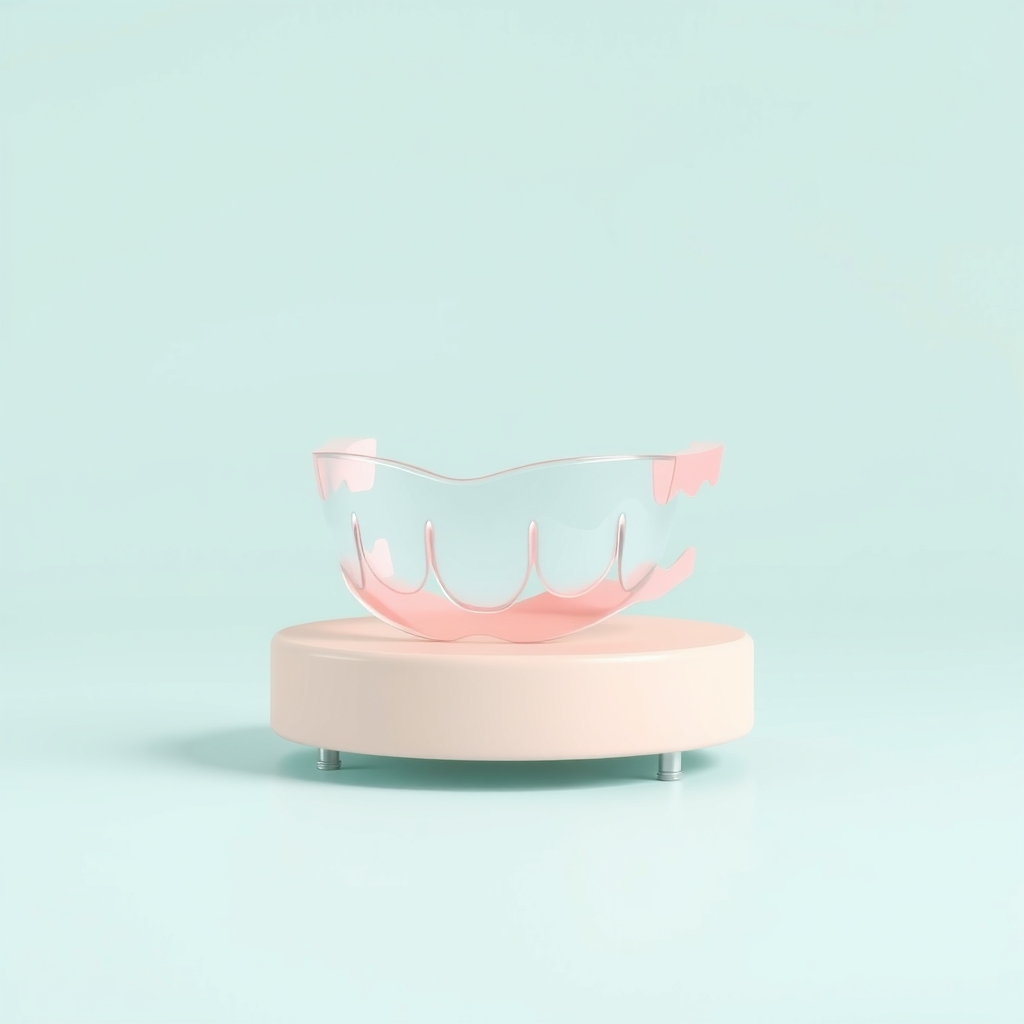
A night guard is the most common and effective way to manage bruxism. It is a custom-fitted appliance worn over the teeth during sleep that cushions the bite force and prevents direct tooth-to-tooth contact. Custom guards made from an impression of your teeth tend to fit better and last longer than generic store-bought versions, which can feel bulky and may not offer proper protection.
Addressing the Underlying Cause
Since stress is such a common trigger, simple habits like reducing screen time before bed, cutting back on late-day caffeine, and practising relaxation techniques can help reduce grinding frequency. If a bite misalignment is contributing to the problem, your dentist may suggest minor adjustments or, in some cases, orthodontic evaluation.
Managing Existing Damage
If enamel wear or tooth sensitivity has already developed, your dentist may recommend restorative options depending on severity, ranging from simple desensitising treatments to reshaping or restoring worn tooth surfaces.
| Treatment | Purpose |
|---|---|
| Custom night guard | Protects teeth and reduces jaw strain during sleep |
| Stress management habits | Reduces frequency of grinding episodes |
| Bite correction | Addresses uneven contact that worsens grinding |
| Restorative treatment | Repairs enamel wear or sensitivity from long-term grinding |
When to See a Dentist
If you are noticing jaw soreness most mornings, visible wear on your teeth, or a partner has mentioned hearing grinding sounds at night, it is a good time to get an evaluation. A dentist can check your bite, examine enamel wear, and recommend whether a night guard or another approach suits your situation. Patients in and around Sector 37, Faridabad can visit Mukand Dental Care for an assessment and a discussion of practical next steps based on what is actually happening with your teeth and jaw.
Have questions about your teeth?
Mukand Dental Care · Devi Sahai Market, Sector 37, Faridabad
Frequently asked questions
Can teeth grinding go away on its own?
Mild, occasional grinding linked to a stressful period sometimes settles down once stress reduces. But if it has continued for weeks or is causing pain or tooth wear, it usually needs a night guard or other management rather than waiting it out.
Is a night guard the same as a retainer?
No. A retainer holds teeth in position after orthodontic treatment. A night guard is thicker and designed to absorb the force of grinding and clenching, protecting the teeth and jaw joints.
Can children grind their teeth too?
Yes, it is fairly common in children, especially during teething or growth spurts, and often reduces on its own. If it continues past the eruption of adult teeth, a dentist should take a look.
How much does a night guard typically cost?
Custom-fitted night guards in Sector 37, Faridabad typically range depending on the material and type used. Your dentist can suggest the right option after examining your bite and wear pattern.
Treatment costs mentioned on this page are indicative ranges for the Sector 37, Faridabad region. Your exact cost depends on your case and will be confirmed after a clinical examination at the clinic.