Osteoporosis, Bisphosphonates and Your Dental Health
Osteoporosis is a condition where bones become weaker and more porous over time. While most people think of it in connection with hips or the spine, it can also affect the jawbone. For patients in Sector 37, Faridabad who are managing osteoporosis, understanding its link to oral health can help you make informed decisions about extractions, implants and daily dental care.
How Osteoporosis Affects the Jawbone
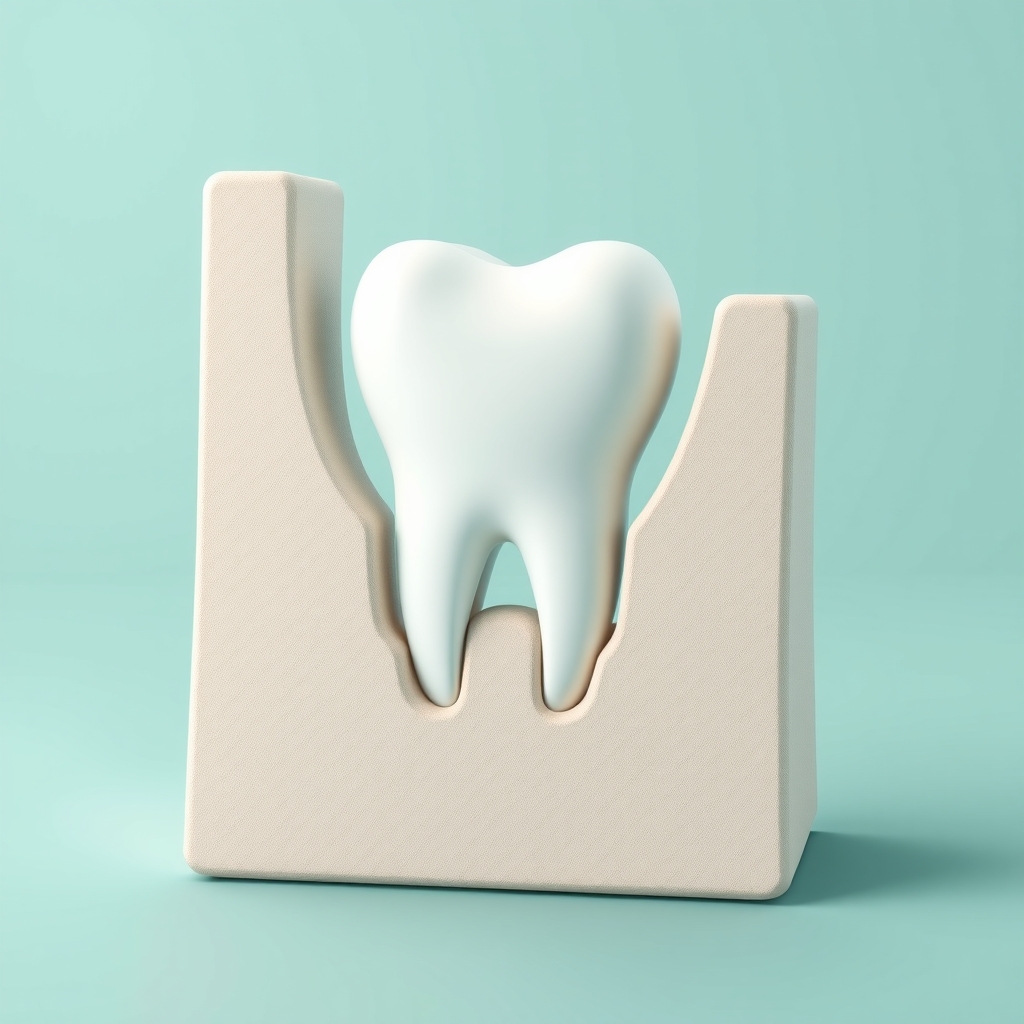
The jawbone, like other bones in the body, can lose density as osteoporosis progresses. This can mean:
- Thinner bone supporting the teeth, which may increase the risk of tooth loosening over time
- Slower healing after dental procedures such as extractions
- A jawbone that may provide less initial support for dental implants in some cases
It is worth noting that osteoporosis alone does not cause tooth loss directly. Gum disease, poor oral hygiene and untreated cavities remain the leading causes. However, weaker bone can make existing dental problems progress faster if not managed properly.
Bisphosphonates and Dental Treatment
Bisphosphonates are a common group of medicines prescribed for osteoporosis, including alendronate, risedronate and zoledronic acid. They work by slowing down bone breakdown, which helps maintain bone strength in the body.
In the jaw, these medications can affect how bone heals after dental procedures like extractions or implant placement. In rare cases, particularly with long term use or high dose injectable forms (often used in cancer treatment rather than standard osteoporosis care), a condition called medication related osteonecrosis of the jaw can occur. This means an area of jawbone does not heal properly after a dental procedure.
This risk is generally low for patients taking oral bisphosphonate tablets for osteoporosis, especially for short durations. The risk is higher with intravenous bisphosphonates used in cancer care. Your dentist will always ask about your full medication history before planning any surgical treatment.
What This Means for Extractions
If you need a tooth extraction and are on bisphosphonates, your dentist at Mukand Dental Care will review how long you have been on the medication, the dose, and your overall bone and gum health. In most routine cases, extractions can be done safely with proper care and follow up instructions.
What This Means for Dental Implants
Dental implants rely on healthy bone to fuse securely with the implant post. Osteoporosis and bisphosphonates do not automatically rule out implants, but they do mean:
- A more detailed bone assessment before planning the implant
- Possible adjustments to implant size, position or healing time
- Closer monitoring during the healing phase
Many patients with osteoporosis, particularly those on oral bisphosphonates, successfully complete implant treatment. Each case is assessed individually based on bone quality, medication type and duration.
Working With Your Dentist and Doctor
Good communication between your dentist and your physician is important. Before any surgical dental treatment, let your dental team know:
- The exact name of your osteoporosis medication
- How long you have been taking it
- Whether it is taken orally or given by injection
- Any other health conditions or medications
This helps your dentist plan treatment safely, sometimes in coordination with your doctor, without unnecessary delays.
Day to Day Oral Care With Osteoporosis
| Habit | Why It Helps |
|---|---|
| Brushing twice daily | Reduces gum disease risk, which can worsen bone loss around teeth |
| Flossing daily | Removes plaque between teeth where bone support is most affected |
| Regular dental checkups | Allows early detection of gum disease or bone changes |
| Calcium and vitamin D intake | Supports overall bone health, including the jaw |
Routine checkups are especially valuable for osteoporosis patients, since early gum disease treatment can prevent complications later, including before any planned extractions or implants.
Cost Considerations
Treatment planning for patients with osteoporosis may involve extra consultation time, imaging or coordination with your physician. In Sector 37, Faridabad, the typical range for a simple extraction is often modest, while implant treatment involves a wider typical range depending on bone assessment, implant type and the number of visits needed. Your dentist will discuss specifics only after a proper examination.
If you have osteoporosis and are considering a dental procedure, visit Mukand Dental Care in Devi Sahai Market, Sector 37, Faridabad for a personalised assessment. Call 079 4850 0682 to book a consultation.
Have questions about your teeth?
Mukand Dental Care · Devi Sahai Market, Sector 37, Faridabad
Frequently asked questions
Should I stop taking my osteoporosis medicine before a tooth extraction?
Do not stop any medication without talking to your doctor first. Your dentist and physician will decide together whether any changes are needed before treatment.
Can I still get a dental implant if I have osteoporosis?
Many people with osteoporosis get implants safely, especially with oral bisphosphonates. Your dentist will review your bone health, medication history and jaw condition before planning treatment.
What is osteonecrosis of the jaw?
It is a rare condition where jawbone tissue does not heal properly after dental procedures, mostly linked to long term or high dose bisphosphonate use, particularly injectable forms used in cancer treatment.
How can I protect my teeth if I have osteoporosis?
Keep up regular dental checkups, maintain good oral hygiene, tell your dentist about all medications, and treat gum disease early to reduce bone related complications.
Treatment costs mentioned on this page are indicative ranges for the Sector 37, Faridabad region. Your exact cost depends on your case and will be confirmed after a clinical examination at the clinic.