Gum Disease and Heart Disease: Understanding the Connection
Many patients at our clinic in Sector 37, Faridabad are surprised to learn that the health of their gums may be connected to the health of their heart. Over the past two decades, researchers have studied this link closely, and while it is not a simple cause and effect relationship, the evidence is strong enough that dentists and cardiologists both pay attention to it. Understanding this connection can help you take better care of your whole body, not just your mouth.
What Is Periodontitis
Periodontitis is an advanced stage of gum disease. It starts as gingivitis, which causes red, swollen, or bleeding gums. If left untreated, the infection spreads below the gum line and begins to damage the bone and tissue that hold your teeth in place. This can lead to loose teeth, gum recession, and eventually tooth loss if not managed.
Periodontitis is driven by bacteria that form plaque on teeth. The body's immune response to this bacterial infection causes ongoing inflammation, and it is this inflammation that scientists believe may play a role in affecting other parts of the body, including the cardiovascular system.
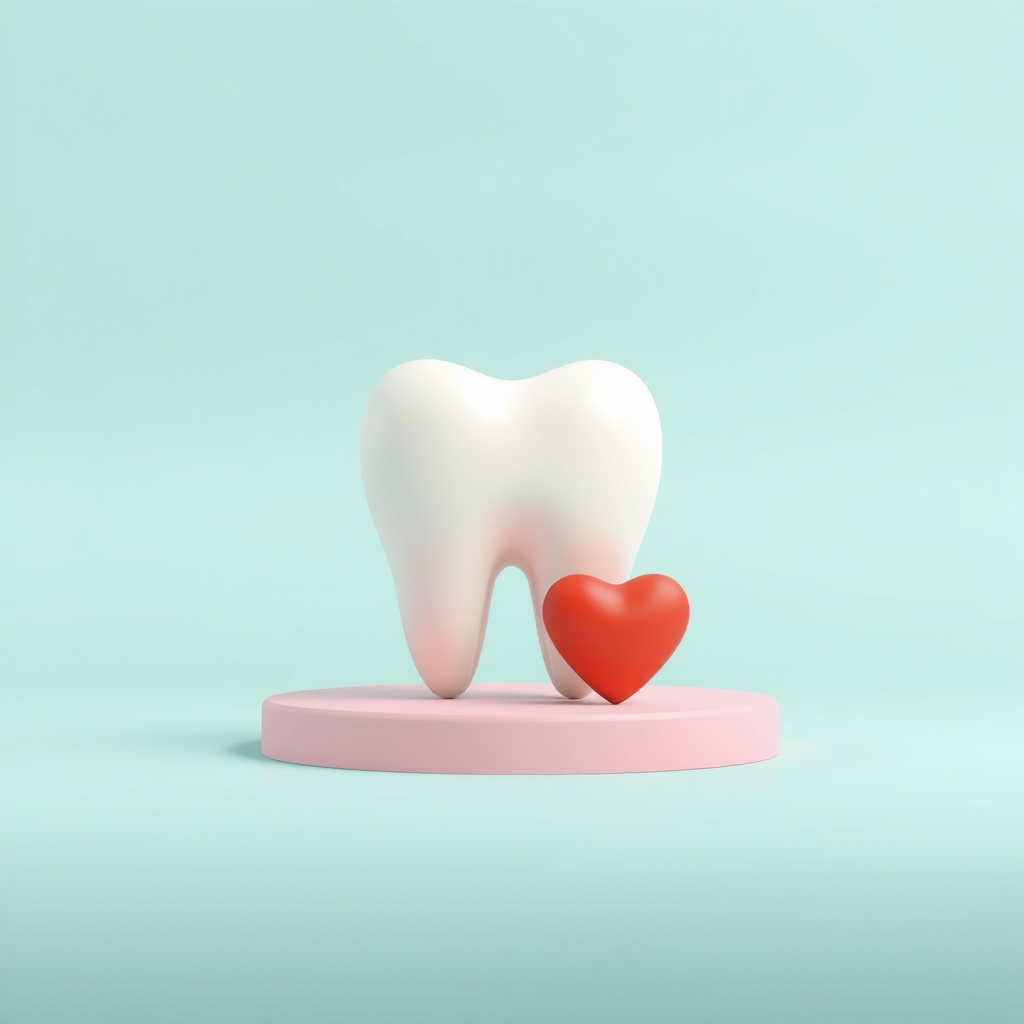
The Science Behind the Gum-Heart Connection
Several theories help explain why gum disease and heart disease often appear together in the same patients.
Chronic Inflammation
Periodontitis keeps the body in a low grade state of inflammation. Inflammation is also a key player in the development of atherosclerosis, the hardening and narrowing of arteries that can lead to heart attacks and strokes. Some researchers believe that the inflammatory load from untreated gum disease may add to this process.
Bacteria Entering the Bloodstream
When gums are infected and bleed easily, oral bacteria can enter the bloodstream through small breaks in the gum tissue. Some studies have found traces of oral bacteria in the fatty deposits found in clogged arteries, suggesting a possible biological pathway linking the two conditions.
Shared Risk Factors
Gum disease and heart disease share several common risk factors, including smoking, diabetes, poor diet, and stress. People who have one of these risk factors often have a higher chance of developing both conditions, which may partly explain why they are so often seen together.
What the Research Actually Shows
It is important to be clear about what scientists currently know. Studies have consistently shown an association between gum disease and heart disease, meaning people with periodontitis are more likely to also have cardiovascular problems. However, this does not prove that gum disease directly causes heart disease. More research is ongoing to understand the exact relationship. Major health bodies currently recommend good oral hygiene as part of a heart healthy lifestyle, without claiming it as a guaranteed prevention method.
Protecting Both Your Gums and Your Heart
The good news is that many of the same habits that protect your gums also support your heart. Here are practical steps you can take.
- Brush twice daily with a fluoride toothpaste and a soft bristled brush
- Floss daily to remove plaque between teeth where a brush cannot reach
- Visit your dentist every six months for a check-up and professional cleaning
- Avoid smoking and tobacco use, which worsens both gum disease and heart disease
- Manage conditions like diabetes and high blood pressure with your doctor
- Eat a balanced diet low in sugar and processed foods
- Tell your dentist if you have a history of heart disease so your care can be planned accordingly
Treatment Options for Gum Disease
If you already have signs of gum disease, such as bleeding gums, bad breath, or receding gums, treatment is available and often effective when started early.
| Treatment | What It Involves | Typical Range (INR) |
|---|---|---|
| Scaling and polishing | Removal of plaque and tartar above the gum line | 800 to 2,500 |
| Root planing | Deep cleaning below the gum line for early periodontitis | 2,500 to 6,000 per quadrant |
| Periodontal maintenance | Ongoing cleanings to manage gum disease long term | 1,000 to 3,000 per visit |
Actual costs depend on the severity of your gum disease, the number of visits needed, and your specific treatment plan. Your dentist will discuss this with you after an examination.
When to See a Dentist
If your gums bleed when you brush, feel swollen, or you notice persistent bad breath, it is worth getting a check-up rather than waiting. Early gum disease is much easier to treat and reverse than advanced periodontitis. For patients with existing heart conditions, keeping gum disease under control is one simple, practical way to support your overall health alongside the care your physician provides.
At Mukand Dental Care in Devi Sahai Market, Sector 37, Faridabad, our team takes a careful look at your gum health during every check-up and will flag any early warning signs so you can address them before they progress.
Have questions about your teeth?
Mukand Dental Care · Devi Sahai Market, Sector 37, Faridabad
Frequently asked questions
Does gum disease directly cause heart attacks?
Not directly. Research shows a strong association between gum disease and heart disease, but it does not prove that one causes the other. Both conditions share common risk factors like smoking, diabetes, and chronic inflammation, which may explain part of the link.
If I have healthy gums, am I protected from heart disease?
Healthy gums are good for your overall health, but heart disease has many causes including genetics, diet, blood pressure, and cholesterol levels. Good oral hygiene is one helpful piece of a bigger picture, not a guarantee.
How often should I get my gums checked if I have heart concerns?
Most dentists recommend a check-up and cleaning every six months. If you have a history of heart disease, diabetes, or visible gum problems like bleeding or swelling, your dentist may suggest more frequent visits.
Can treating gum disease improve my heart health markers?
Some studies suggest that treating gum disease can reduce markers of inflammation in the blood. However, it should be seen as support for heart health, not a replacement for cardiac care from your physician.
Treatment costs mentioned on this page are indicative ranges for the Sector 37, Faridabad region. Your exact cost depends on your case and will be confirmed after a clinical examination at the clinic.