Dry Socket After Tooth Extraction: Symptoms, Causes and Treatment
If it has been a few days since your tooth extraction and the pain is getting worse instead of better, you may be experiencing dry socket. This is one of the most common complications after a tooth is removed, and while it can be quite uncomfortable, it is treatable. Here is what patients in Sector 37, Faridabad should know about this condition.
What Is Dry Socket
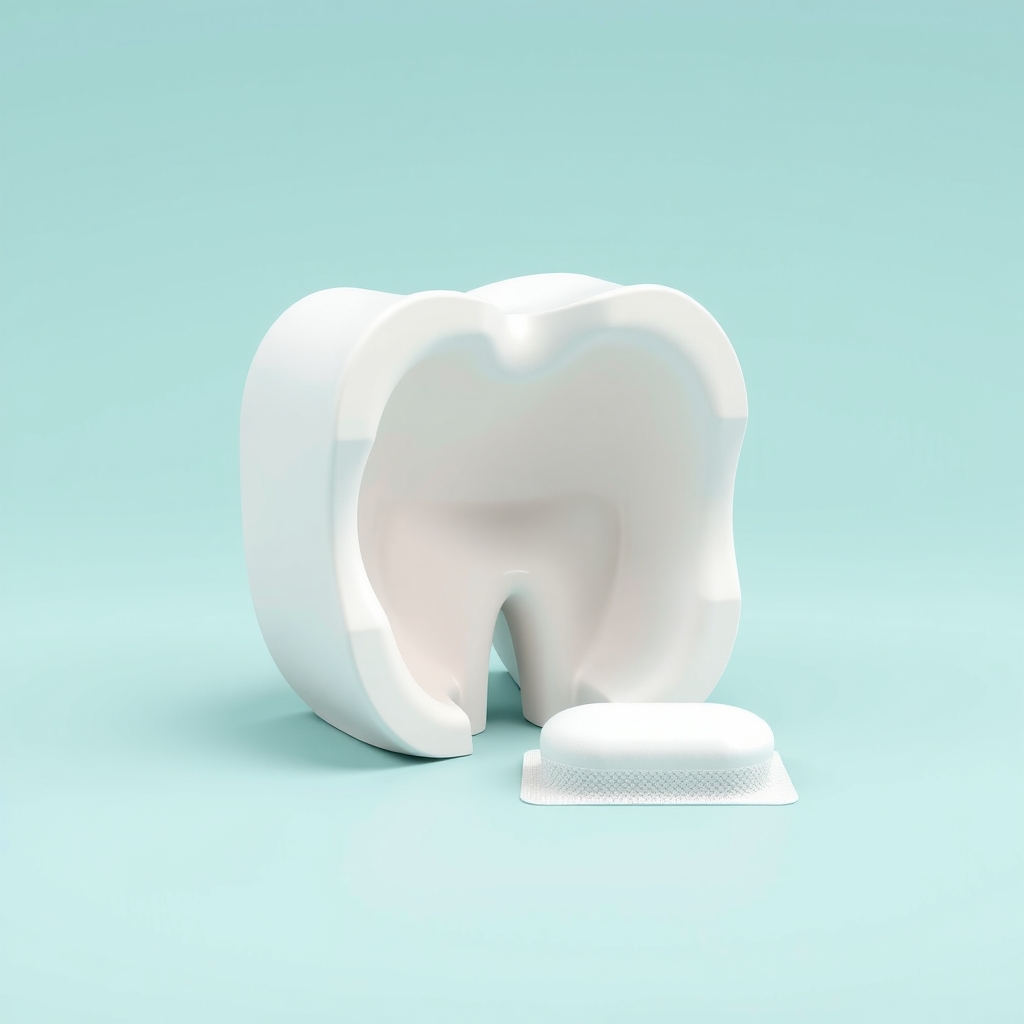
After a tooth is extracted, a blood clot normally forms in the empty socket. This clot protects the underlying bone and nerves while new tissue grows underneath it. Dry socket, known medically as alveolar osteitis, happens when this clot gets dislodged, dissolves too early, or never forms properly. This leaves the bone and nerve endings exposed to air, food, and bacteria, which causes significant pain.
Warning Symptoms to Watch For
Dry socket typically develops two to four days after an extraction. Common signs include:
- Throbbing pain that worsens rather than improves after the first couple of days
- Pain that radiates to the ear, eye, or jaw on the same side
- A visibly empty-looking socket, sometimes with exposed bone
- An unpleasant taste or bad breath that does not go away with rinsing
- Mild fever in some cases
If normal post-extraction soreness suddenly spikes in intensity around day three, this is the classic pattern of dry socket and is worth getting checked.
Why Dry Socket Happens
Several factors increase the risk of the blood clot being disturbed or failing to form:
- Smoking or vaping soon after extraction, which reduces blood supply and can dislodge the clot through suction
- Using a straw, spitting forcefully, or rinsing vigorously in the first 24 hours
- Poor oral hygiene that allows bacteria to break down the clot
- Extractions that were more difficult or traumatic, such as impacted wisdom teeth
- Hormonal factors, with women on oral contraceptives showing slightly higher risk
- History of dry socket in a previous extraction
How Dentists Treat Dry Socket
The good news is that dry socket is manageable once properly diagnosed. Treatment usually involves:
- Gentle cleaning of the socket to remove any food debris or loose tissue
- Medicated dressing placed directly into the socket, often containing a soothing paste that relieves pain quickly
- Pain relief medication as needed for the first day or two
- Follow-up visits to change the dressing until the socket starts healing normally
Most patients notice significant relief within a day of the dressing being placed. Trying to manage severe dry socket pain with over-the-counter painkillers alone often does not work well, so a dental visit is the quickest path to comfort.
How to Prevent Dry Socket
Following your dentist's aftercare instructions closely is the best protection. General guidance includes:
- Avoid smoking or vaping for at least 48 to 72 hours after extraction
- Do not use straws or spit forcefully for the first day
- Stick to soft foods and avoid chewing near the extraction site
- Rinse gently with warm salt water starting a day after the procedure, avoiding vigorous swishing
- Keep the rest of your mouth clean with careful brushing, avoiding the socket area directly
- Attend any scheduled follow-up appointments, especially after wisdom tooth removal
Typical Cost Range
Treatment for dry socket usually involves a short visit for cleaning and dressing. In Sector 37, Faridabad, the typical range for this kind of visit is modest compared to the extraction itself, though the exact cost depends on how many follow-up dressings are needed. Your dentist can give you a clear estimate after examining the socket.
| Situation | What to Expect |
|---|---|
| Normal healing | Pain gradually decreases each day, mild swelling resolves within a week |
| Dry socket | Pain increases around day 3 to 5, often with radiating ache and bad taste |
| When to call the clinic | Worsening pain, visible empty socket, fever, or pain not controlled by medication |
If you had a tooth removed recently and the pain is not following the usual pattern of healing, do not wait it out. A quick examination can confirm whether it is dry socket and get you comfortable again with the right dressing and care. Residents near Devi Sahai Market and surrounding areas of Sector 37 can call Mukand Dental Care at 079 4850 0682 to get seen promptly.
Have questions about your teeth?
Mukand Dental Care · Devi Sahai Market, Sector 37, Faridabad
Frequently asked questions
How long does dry socket pain last?
Without treatment it can last 7 to 10 days. With proper cleaning and dressing by a dentist, pain usually eases within 1 to 3 days.
Can I treat dry socket at home?
Home care like warm salt water rinses and avoiding smoking can help, but dry socket needs a dentist to clean the socket and place a medicated dressing for proper relief.
Is dry socket common after every extraction?
No. It affects a small percentage of extractions, more often after lower wisdom tooth removal. Most extractions heal without this complication.
How do I know if it is dry socket or normal healing pain?
Normal pain gradually improves each day after extraction. Dry socket pain typically worsens around day 3 to 5 and may radiate to the ear or jaw, often with a visible empty-looking socket.
Treatment costs mentioned on this page are indicative ranges for the Sector 37, Faridabad region. Your exact cost depends on your case and will be confirmed after a clinical examination at the clinic.