Bone Grafting Before Dental Implants: Why It's Needed and What to Expect
If your dentist has told you that you need a bone graft before getting a dental implant, you are not alone. It is one of the most common additional steps in implant treatment, and it is recommended for a clear, practical reason: implants need enough healthy bone around them to stay stable for years to come. This guide explains why bone loss happens, when grafting is needed, what the procedure involves, and what recovery typically looks like for patients in Sector 37, Faridabad.
Why Bone Loss Happens
A dental implant works like an artificial tooth root. It is placed directly into the jawbone, so it needs a certain amount of bone width and height to sit securely. Bone loss in the jaw commonly happens due to:
- Missing teeth left untreated for a long time, since the jawbone shrinks without a tooth root to stimulate it
- Long-standing gum disease that has damaged the bone supporting the teeth
- Injury or trauma to the jaw or face
- Infection around a previous tooth that affected nearby bone
- Natural ageing, which can gradually reduce bone density
Even a few months without a tooth in place can lead to noticeable bone loss in that area, which is why dentists often recommend early evaluation after tooth loss.
When Bone Grafting Is Recommended
Not everyone needs a bone graft before an implant. Your dentist will usually recommend one after reviewing your dental X-ray or 3D scan, if:
- The jawbone at the implant site is too thin or too short to support an implant safely
- There is a visible gap or defect in the bone, often from a previous extraction or infection
- The tooth has been missing for a long time and the bone has reduced in volume
- An implant is being planned near the sinus area in the upper jaw, where bone is often naturally thinner
The goal is simple: to rebuild enough bone so the implant has a firm, lasting foundation, rather than risking early failure or an implant that looks or feels unnatural.
What the Bone Grafting Procedure Involves
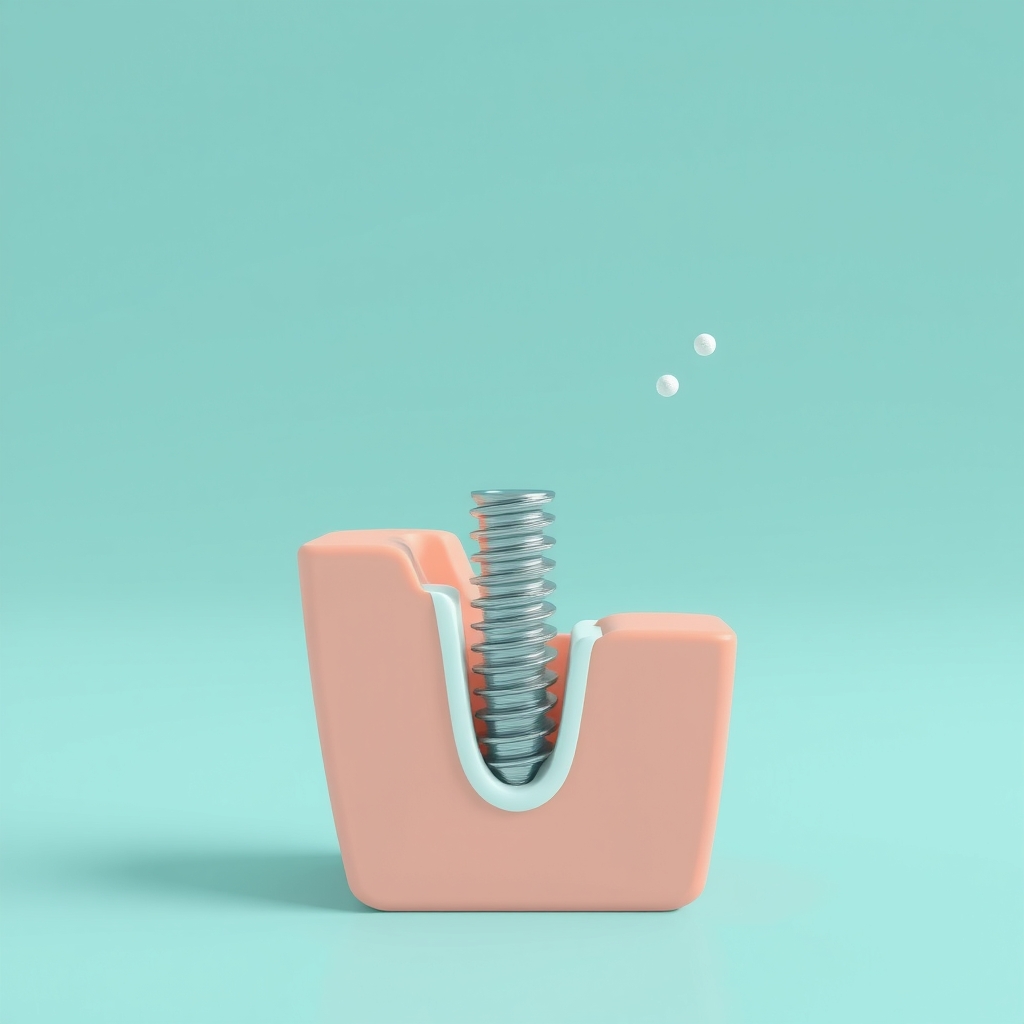
Bone grafting is typically done under local anaesthesia and may be combined with the implant placement itself in some cases, or done as a separate first step if more extensive rebuilding is needed.
Steps generally include:
- Numbing the area with local anaesthesia
- Placing graft material into the area where bone is lacking
- Covering the site with a protective membrane, if needed, to support healing
- Closing the gums with stitches over the graft site
Graft material can come from different sources, including the patient's own bone, processed donor bone, or synthetic bone substitutes. Your dentist will explain which type suits your case and why.
Recovery Expectations
Recovery varies depending on how much bone was grafted, but here is a general idea of what to expect:
| Time After Procedure | What to Expect |
|---|---|
| First 2 to 3 days | Mild swelling, soreness, and some discomfort, usually managed with prescribed medication |
| First week | Soft diet recommended, gentle oral hygiene around the site, stitches may dissolve or be removed |
| 3 to 4 months | Minor grafts often heal enough for implant placement to be considered |
| 6 to 9 months | Larger grafts may need this much time before the bone is dense and strong enough for an implant |
Your dentist will take a follow-up scan to confirm the graft has healed and integrated well before moving ahead with the implant.
Cost Considerations
Bone grafting costs depend on the amount of bone needed, the type of graft material used, and whether it is combined with implant placement. In Sector 37, Faridabad, patients can expect a typical range for bone grafting that varies case to case, so it is best discussed in detail during your consultation once your scan has been reviewed.
Final Thoughts
Being told you need a bone graft can feel like an unexpected extra step, but it is a well-established part of safe, long-lasting implant treatment when bone volume is limited. Taking the time to rebuild bone properly gives your implant the best chance of functioning well for many years. If you have questions about your specific scan results or treatment plan, our team at Mukand Dental Care is happy to walk you through it in simple terms.
Have questions about your teeth?
Mukand Dental Care · Devi Sahai Market, Sector 37, Faridabad
Frequently asked questions
Can I get a dental implant without a bone graft?
Many patients can, if there is enough healthy bone at the implant site. Your dentist checks this with a clinical exam and a scan before deciding. If bone is thin or short, a graft is usually recommended first for a stable, long-lasting result.
Is bone grafting painful?
The procedure is done under local anaesthesia, so you should not feel pain during it. Mild soreness, swelling, or tenderness for a few days afterward is normal and is usually managed well with prescribed medication.
How long after a bone graft can I get my implant?
It depends on the amount of bone needed. Minor grafts may heal enough in 3 to 4 months, while larger grafts can take 6 to 9 months. Your dentist will confirm readiness with a follow-up scan before placing the implant.
What happens if I skip the bone graft my dentist recommended?
Placing an implant into insufficient bone raises the risk of poor stability, implant failure, or an unnatural looking result. A graft, when recommended, is meant to give the implant a stronger, safer foundation.
Treatment costs mentioned on this page are indicative ranges for the Sector 37, Faridabad region. Your exact cost depends on your case and will be confirmed after a clinical examination at the clinic.