Understanding Bite Misalignment: Types, Signs, and When to Treat It
Many parents and adults in Sector 37, Faridabad notice that their own or their child's teeth do not quite meet the way they expect. Sometimes it is obvious, like an underbite. Other times it is subtle, noticed only when chewing feels odd or a dentist points it out. Understanding the main types of bite misalignment can help you decide whether it is something to watch or something to treat.
What Is a Bite Misalignment?
A bite refers to how your upper and lower teeth fit together when you close your mouth. In an ideal bite, the upper teeth sit slightly over the lower teeth, and the back teeth mesh comfortably. When this alignment is off, it is called malocclusion. It can be mild and purely cosmetic, or significant enough to affect chewing, speech, and jaw comfort.
Overbite
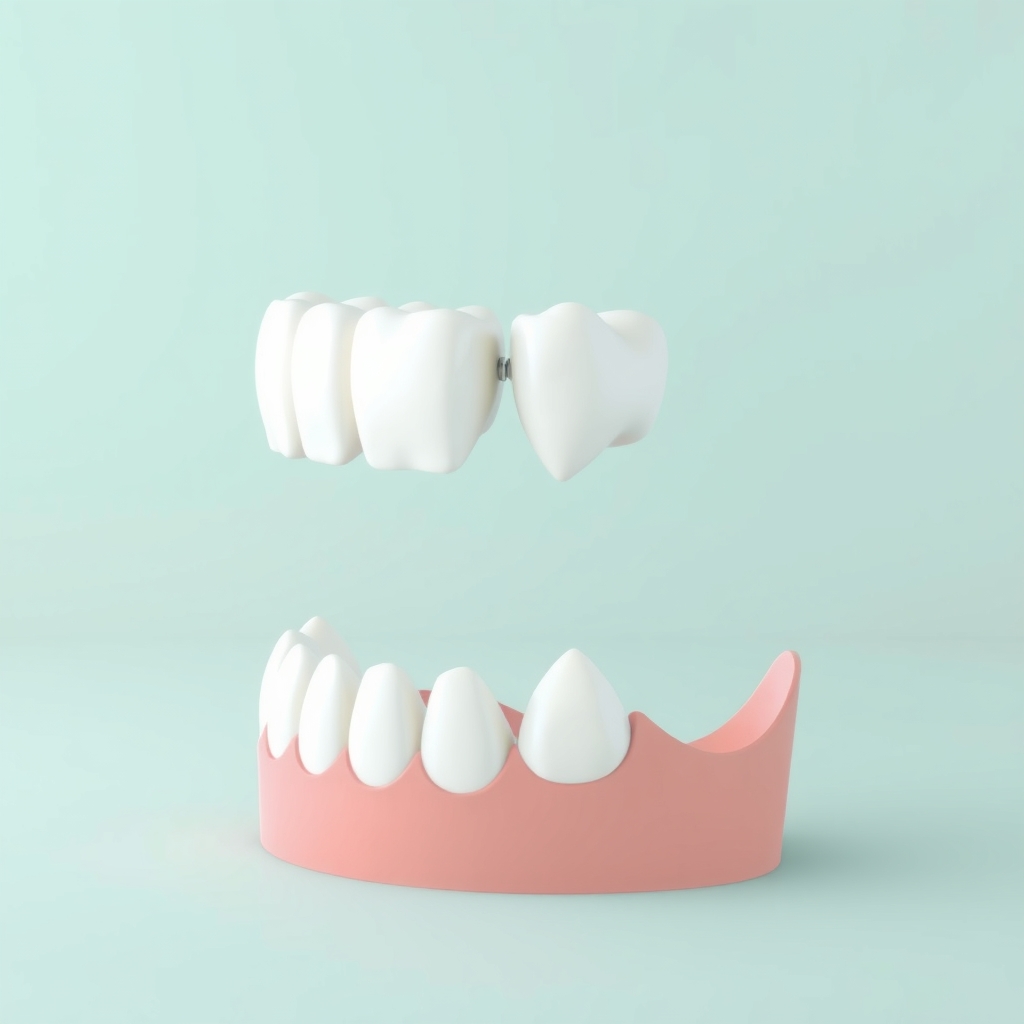
An overbite happens when the upper front teeth extend noticeably over the lower front teeth. A small amount of overlap is normal. A deep overbite means the lower teeth may barely show, or may even touch the roof of the mouth or gums when biting down.
- Signs: upper teeth cover most or all of the lower front teeth when biting
- Possible effects: gum irritation behind upper teeth, jaw strain, and uneven wear over time
Underbite
An underbite is the opposite pattern, where the lower front teeth sit in front of the upper teeth. It is often linked to how the jawbones themselves have grown, not just the teeth.
- Signs: lower jaw appears to jut forward, lower teeth visible in front when the mouth is closed
- Possible effects: difficulty biting into food, speech changes, and strain on the jaw joint
Crossbite
A crossbite occurs when some upper teeth sit inside the lower teeth instead of outside, either on one side or both sides of the mouth. It can involve the front teeth or the back teeth.
- Signs: teeth appear to meet at an angle rather than straight up and down, sometimes the jaw shifts to one side when biting
- Possible effects: uneven wear, jaw asymmetry over time if untreated in growing children
Open Bite
An open bite is when the upper and lower front teeth do not touch at all when the back teeth are together, leaving a visible gap. It is often connected to habits like prolonged thumb sucking or tongue thrusting in children.
- Signs: a gap between upper and lower front teeth even when biting down fully
- Possible effects: difficulty biting into food like sandwiches, and sometimes a slight lisp
| Type | Common Sign | Often Noticed In |
|---|---|---|
| Overbite | Upper teeth cover lower teeth heavily | Children and adults |
| Underbite | Lower jaw and teeth sit forward | Often runs in families |
| Crossbite | Teeth meet at an angle, jaw shifts | Children during tooth eruption |
| Open Bite | Front teeth do not touch when biting | Children with sucking habits |
How to Recognize a Problem at Home
Watch for these signs in yourself or your child:
- Teeth that look crowded, gapped, or angled unusually
- Jaw clicking, popping, or soreness
- Trouble biting into food or chewing on one side only
- Speech sounds that seem slightly off
- Uneven wear or chipping on certain teeth
A mirror check while biting down normally can reveal a lot, but a dental exam gives a clearer picture, including how the jaw joint and growth pattern are involved.
When Treatment Is Actually Needed
Not every bite issue needs correction. Mild overlaps or small gaps that do not cause pain or wear are often left alone or simply monitored. Treatment becomes more important when there is pain, difficulty eating, visible uneven wear, gum irritation, or when a child's jaw growth pattern suggests the issue will worsen without early guidance.
For children, dentists often recommend an evaluation around the time permanent teeth start coming in, since some bite issues are easier to guide early. For adults, treatment is usually based on comfort, function, and long-term tooth health rather than appearance alone.
Cost Considerations
Treatment cost depends heavily on the type and severity of misalignment, the age of the patient, and whether appliances, braces, or aligners are needed. In Sector 37, Faridabad, a typical range for an initial bite evaluation and consultation is modest, while full correction plans vary widely based on the treatment path chosen. Your dentist can give you a clear estimate after examining your specific bite.
If you have noticed any of these signs in yourself or your child, a simple dental check-up at Mukand Dental Care in Sector 37, Faridabad can help clarify whether it is something to monitor or address sooner.
Have questions about your teeth?
Mukand Dental Care · Devi Sahai Market, Sector 37, Faridabad
Frequently asked questions
Can a bite misalignment fix itself as a child grows?
Mild bite issues sometimes improve as baby teeth are replaced by adult teeth, but moderate to severe misalignment usually needs monitoring and, often, treatment. A dentist can tell you whether waiting is reasonable.
Is it normal for adults to have some bite misalignment?
Yes, many adults have mild misalignment that causes no problems and does not need treatment. Treatment is usually suggested only when there is pain, wear, or functional difficulty.
How do I know if my bite issue is serious?
Warning signs include jaw pain, clicking, difficulty chewing, speech changes, or teeth wearing unevenly. If you notice these along with visible misalignment, it is worth getting checked.
Does bite correction always mean braces?
Not always. Depending on age, cause, and severity, options can include braces, clear aligners, growth guidance appliances, or in some cases dental restorations. A dentist will recommend based on your specific bite.
Treatment costs mentioned on this page are indicative ranges for the Sector 37, Faridabad region. Your exact cost depends on your case and will be confirmed after a clinical examination at the clinic.