Why Tetracycline Antibiotics Cause Permanent Tooth Discoloration
If you or your child have grey, brown, or bluish bands running across the teeth, you may have searched online and come across a surprising answer: antibiotics. Tetracycline and related drugs, when taken during certain stages of tooth development, can cause permanent discoloration. This article explains why this happens and what can be done to restore a natural looking smile, including options available to patients visiting us in Sector 37, Faridabad.
How Tetracycline Causes Tooth Staining
Tetracycline is a type of antibiotic once commonly prescribed for infections. It has a strong affinity for calcium. When taken by a pregnant woman or by a young child whose teeth are still forming under the gums, the drug binds to the calcium in developing tooth structure. As the tooth mineralizes, tetracycline becomes locked into the dentin layer, beneath the enamel.
Over time, exposure to light causes a chemical reaction in the bound tetracycline, turning it into a colored compound. This is why the staining is often described as appearing gradually, sometimes deepening in color as a child grows older.
Who Is at Risk
- Children exposed to tetracycline before the age of 8, while permanent teeth are developing
- Babies whose mothers took tetracycline during the second half of pregnancy
- Infants given the drug during early childhood for infections
Because of this well established risk, tetracycline and its relatives like doxycycline are now avoided in pregnant women and young children whenever safer alternative antibiotics are available.
What the Staining Looks Like
Tetracycline discoloration typically appears as:
- Horizontal bands or stripes across the teeth, often grey, brown, or yellow-grey
- Staining that affects multiple teeth symmetrically, since many teeth develop around the same time
- Discoloration that lies within the tooth structure itself, not on the surface, so it cannot be brushed away
In some cases, the stain is mild and affects only the color of the tooth. In more pronounced cases, the banding is dark enough to be a cosmetic concern for both children and adults.
Why This Type of Stain Is Different
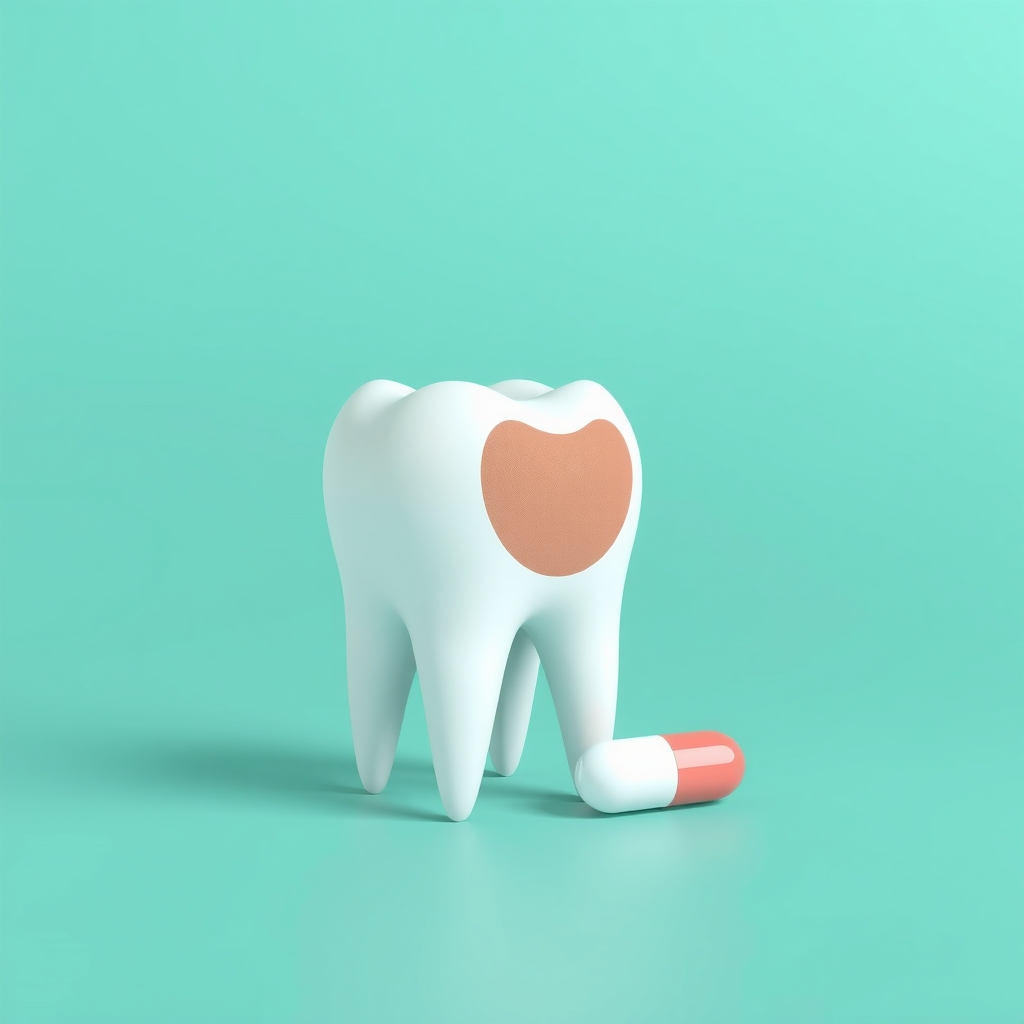
Most people are familiar with surface stains from tea, coffee, or tobacco, which sit on the outer enamel and respond well to cleaning and whitening. Tetracycline staining is internal, meaning it sits within the dentin layer under the enamel. This is why regular whitening toothpaste or a single whitening session rarely makes a noticeable difference, and why many patients feel frustrated trying over the counter products first.
Cosmetic Treatment Options
The right treatment depends on how severe the staining is, how many teeth are affected, and the patient's age. A dental exam helps determine which option fits best.
Professional Teeth Whitening
In mild cases, a series of professional whitening sessions using stronger, dentist supervised bleaching agents can lighten tetracycline stains to some degree. This usually takes longer than regular cosmetic whitening and results vary, especially with darker bands.
Dental Bonding
Composite resin bonding involves applying a tooth colored material to the front surface of the stained teeth. It is a relatively conservative option that can mask moderate discoloration in a single visit, though the material may need touch ups over the years.
Porcelain Veneers
For more pronounced or widespread staining, thin porcelain shells called veneers are bonded to the front of the teeth. Veneers are custom shaded to match a natural smile and are effective at covering even dark banding, offering a long lasting cosmetic result.
Dental Crowns
In cases where teeth also have structural issues alongside discoloration, a crown may be recommended to both strengthen and cosmetically restore the tooth.
| Treatment | Best For | Typical Range (INR, Sector 37, Faridabad) |
|---|---|---|
| Professional whitening | Mild, lighter staining | Rs 4,000 to Rs 10,000 per course |
| Composite bonding | Moderate staining, limited budget | Rs 1,500 to Rs 4,000 per tooth |
| Porcelain veneers | Moderate to severe, long term result | Rs 8,000 to Rs 18,000 per tooth |
| Dental crowns | Severe staining with structural concerns | Rs 6,000 to Rs 15,000 per tooth |
These figures are a general guide only, and your dentist will confirm actual costs after assessing your teeth in person.
What to Do Next
If you suspect tetracycline staining in yourself or your child, the first step is a dental consultation. We will review your dental and medical history, examine the pattern of discoloration, and rule out other causes such as fluorosis or enamel defects. From there, we can walk you through realistic expectations for each treatment option so you can choose what suits your smile, timeline, and budget.
Have questions about your teeth?
Mukand Dental Care · Devi Sahai Market, Sector 37, Faridabad
Frequently asked questions
Can tetracycline staining be removed with regular teeth whitening?
Usually not fully. Over the counter or standard in office whitening often lightens the surrounding tooth a little but the grey or purple bands caused by tetracycline tend to resist bleaching, especially darker bands. Whitening may still help as a first step before veneers or bonding.
Is my child's discoloration definitely from tetracycline?
Not necessarily. Fluorosis, enamel defects, injury to a baby tooth, and other medications can also cause spots or bands. A dental exam and a review of medical history, including antibiotics taken by the mother during pregnancy or by the child before age 8, helps confirm the cause.
At what age should staining be treated?
Cosmetic correction is usually done once a child's permanent teeth and jaw growth are more stable, often in the mid to late teens. Younger children can still be monitored, and good oral hygiene habits should start right away.
Will insurance or costs vary based on how many teeth are affected?
Yes. Treatment cost depends on the number of teeth involved, severity of staining, and the method chosen. We can give you a clearer estimate after an in person examination at our Sector 37, Faridabad clinic.
Treatment costs mentioned on this page are indicative ranges for the Sector 37, Faridabad region. Your exact cost depends on your case and will be confirmed after a clinical examination at the clinic.