Mouthguards for Contact Sports: Why They Matter and How to Choose One
If your child plays football, cricket, hockey, or any contact sport in Sector 37, Faridabad, a mouthguard is one of the simplest ways to prevent a painful and expensive dental injury. Many parents assume mouthguards are only for boxing or rugby, but everyday sports like basketball, skateboarding, and even cycling carry real risk of a fall or collision that can chip or knock out a tooth.
Why Mouthguards Matter
Teeth, lips, and jaws are vulnerable during fast movement and contact with other players, balls, or equipment. A mouthguard acts as a cushion between the upper and lower teeth, absorbing shock and spreading the force of an impact across a wider area. This reduces the chance of chipped teeth, broken fillings, cut lips, and in some cases, jaw injuries.
Dental injuries from sports are often sudden and can involve emergency treatment, root canal therapy, or tooth replacement, all of which are far more time-consuming and costly than wearing a mouthguard during play.
Types of Mouthguards
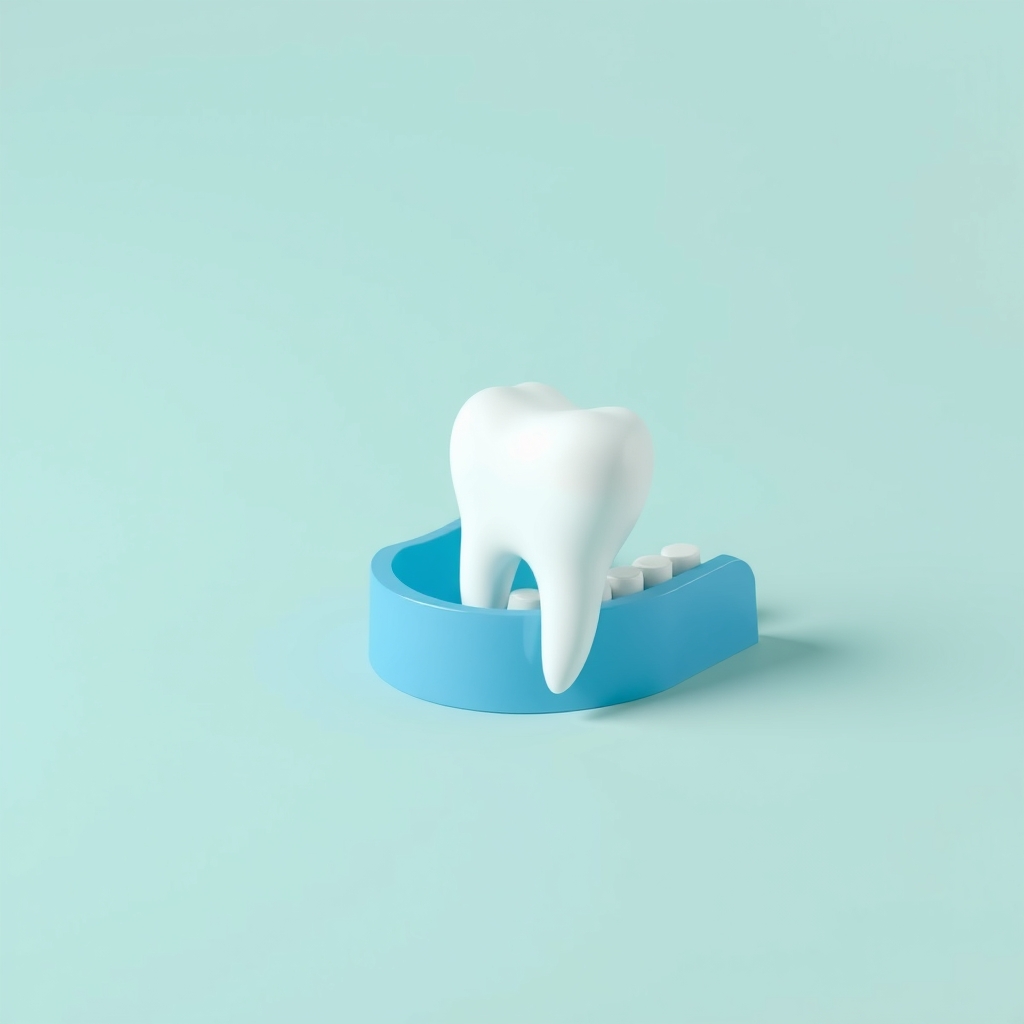
There are three common types available, each with different levels of protection, comfort, and cost.
1. Stock Mouthguards
These come pre-formed in a few standard sizes and are ready to wear straight out of the box. They are the most affordable option but often fit loosely, which can make breathing and speaking difficult during play. They offer the least protection because they do not mould to individual teeth.
2. Boil-and-Bite Mouthguards
These are softened in hot water and then bitten down on to create a semi-custom fit. They are widely available at sports stores and offer a noticeable improvement over stock guards. They work well for casual or occasional sports participation but may still shift during intense activity.
3. Custom-Fitted Mouthguards
Made by a dentist using an impression or scan of your teeth, these guards offer the best fit, comfort, and protection. They stay in place during vigorous movement, allow easier breathing and speaking, and are especially recommended for children with mixed or growing teeth, athletes in high-contact sports, and anyone wearing braces or fixed dental work.
| Type | Fit | Best For |
|---|---|---|
| Stock | Loose, one-size-fits-all | Occasional, low-contact play |
| Boil-and-bite | Semi-custom, moulded at home | Regular recreational sports |
| Custom-fitted | Precise, made by a dentist | Competitive sports, braces, frequent play |
Choosing the Right Mouthguard for Kids
Children's mouths change quickly as baby teeth make way for permanent ones, so fit matters more than ever. A guard that is too loose can fall out or fail to protect the teeth properly, while one that is too tight can cause discomfort and discourage consistent use.
- For young children in mixed dentition, a boil-and-bite or custom-fitted guard usually works better than a stock option.
- If your child wears braces, ask a dentist about a mouthguard designed specifically to accommodate brackets and wires.
- Check the fit every few months, especially during growth spurts, and replace the guard if it feels loose, cracked, or worn thin.
Choosing the Right Mouthguard for Adults
Adults involved in regular contact sports, weekend cricket matches, or gym activities with equipment risk should also consider their options carefully.
- Casual or occasional players may find a good-quality boil-and-bite guard sufficient.
- Serious or frequent athletes benefit from a custom-fitted guard, which stays secure and does not need constant readjustment during play.
- Those with dental crowns, bridges, or implants should ask a dentist for guidance, since standard guards may not offer adequate protection for restored teeth.
Caring for a Mouthguard
Rinse the mouthguard with cool water before and after each use, and clean it occasionally with a soft toothbrush and mild soap. Store it in a ventilated case away from direct sunlight or heat, which can warp the material. Inspect it regularly for tears, thinning, or a loose fit, and replace it when needed rather than waiting for it to fail during play.
Getting a Custom Fit Locally
If you or your child play sports regularly and want the best possible protection, visiting a dentist for a custom-fitted mouthguard is a worthwhile step. The process usually involves a quick impression or scan of the teeth, and the finished guard is generally ready within a short turnaround. Costs for custom mouthguards in Sector 37, Faridabad typically range depending on the material and design, so it helps to discuss options directly with your dental team.
Have questions about your teeth?
Mukand Dental Care · Devi Sahai Market, Sector 37, Faridabad
Frequently asked questions
Can a mouthguard really prevent a chipped or knocked-out tooth?
Yes, a well-fitted mouthguard cushions the teeth and jaw during impact and significantly lowers the risk of chipped, fractured, or knocked-out teeth. It cannot guarantee zero injuries, but it reduces both the chance and the severity.
Are boil-and-bite mouthguards good enough for regular sports practice?
Boil-and-bite guards are a reasonable middle option for recreational play. For frequent practice, competitive sports, or braces, a custom-fitted guard from a dentist offers better comfort and protection.
Does my child need a new mouthguard every year?
Growing children and teens often need replacement guards more often, sometimes every season, because their jaws and teeth are still changing. Check the fit regularly and replace it if it feels loose or worn.
Can a mouthguard be used with braces?
Yes, but standard boil-and-bite guards can be uncomfortable or damage braces. A dentist can make or recommend a mouthguard designed to fit safely over braces and adjust as treatment progresses.
Treatment costs mentioned on this page are indicative ranges for the Sector 37, Faridabad region. Your exact cost depends on your case and will be confirmed after a clinical examination at the clinic.