A Simple Guide to Choosing the Right Mouthwash
Walk into any pharmacy near Devi Sahai Market and you will find a whole shelf of mouthwashes, each promising fresher breath, healthier gums or whiter teeth. It is easy to feel unsure about which one, if any, you actually need. This guide breaks down the main types of mouthwash in plain language so you can make a sensible choice for your daily oral care routine.
Do You Even Need Mouthwash?
Brushing twice a day with fluoride toothpaste and flossing once a day remain the two most important habits for healthy teeth and gums. Mouthwash is not compulsory for everyone, but it can be a helpful addition when you have a specific concern, such as persistent bad breath, gum sensitivity, a high risk of cavities, or after certain dental procedures. Think of it as a supporting step, not a replacement for brushing and flossing.
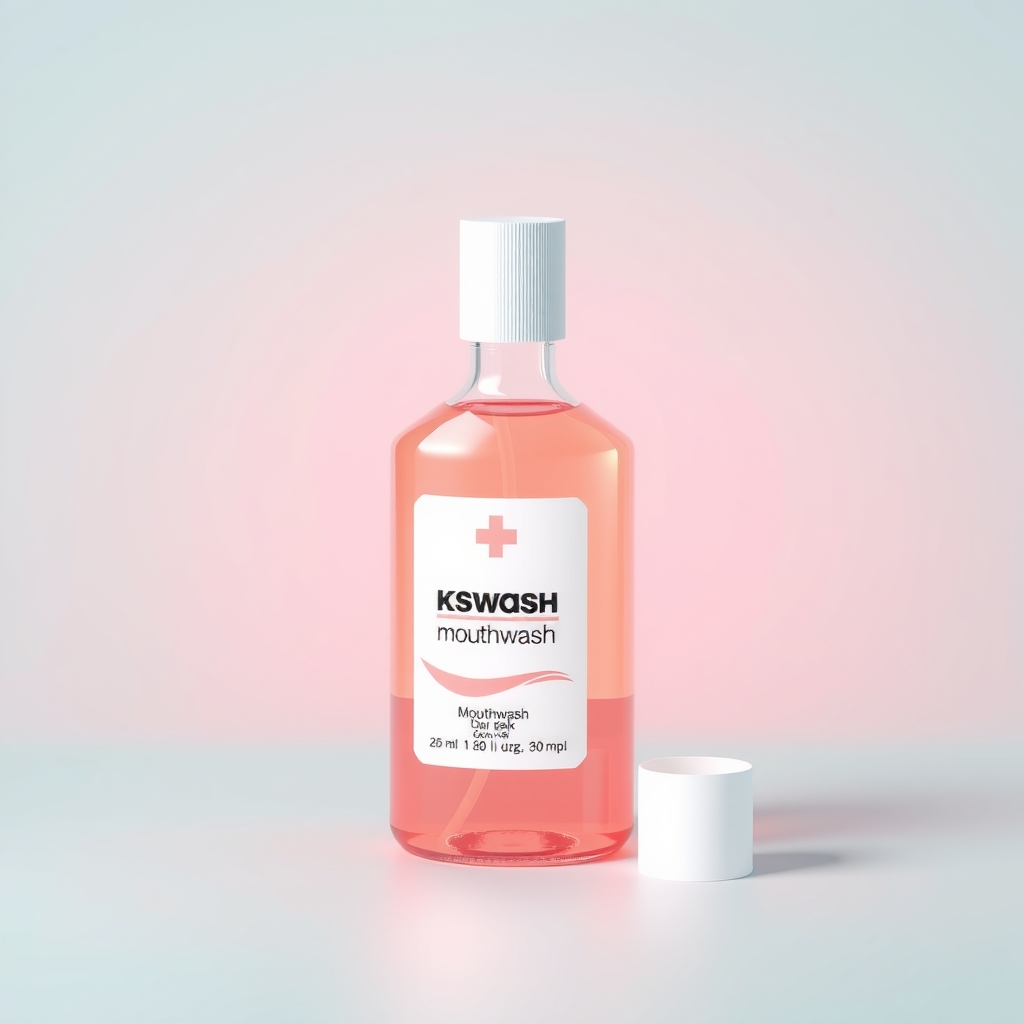
The Main Types of Mouthwash
1. Antiseptic Mouthwash
These rinses contain ingredients like chlorhexidine or cetylpyridinium chloride that reduce bacteria in the mouth. They are often recommended for gum disease, bad breath caused by bacteria, or after gum surgery. Chlorhexidine is usually a short-term, dentist-prescribed option since long-term use can stain teeth or affect taste.
2. Fluoride Mouthwash
Fluoride rinses strengthen tooth enamel and help prevent cavities. They are especially useful for people prone to decay, those with early signs of tooth sensitivity, or patients wearing braces who find brushing harder to do thoroughly. Many dentists recommend these for both children and adults at higher cavity risk.
3. Cosmetic Mouthwash
These are the everyday, over-the-counter rinses that mainly freshen breath and give a clean feeling. They temporarily mask odour but do not treat the underlying cause of bad breath or gum problems. They are fine for general daily freshness but should not be relied on to fix ongoing oral health issues.
4. Natural or Herbal Mouthwash
Made with ingredients like tea tree oil, clove, neem or salt water, these are gentler alternatives without alcohol or harsh chemicals. They can be soothing for mild irritation or dryness, though scientific evidence for their effectiveness is generally weaker compared to fluoride or antiseptic rinses. They suit people who prefer a milder daily rinse.
How to Choose the Right One
Your choice should depend on what you are trying to address:
- Bad breath from gum issues: antiseptic mouthwash
- Cavity prevention: fluoride mouthwash
- General daily freshness: cosmetic mouthwash
- Sensitive mouth or preference for mild ingredients: natural mouthwash
- Recent gum surgery or deep cleaning: whatever your dentist specifically prescribes
If you are unsure, it is worth mentioning your concern during a check-up at our Sector 37 clinic so we can suggest something suited to your specific gum and tooth condition rather than guessing from shelf labels.
How to Use Mouthwash Correctly
- Measure the recommended amount, usually about 20 ml or as per the label.
- Swish it around your mouth for 30 to 60 seconds, covering all areas including the back of the mouth.
- Spit it out, do not swallow.
- Avoid eating, drinking or rinsing with water for at least 30 minutes afterward so the active ingredients have time to work.
- Use at a different time from brushing if it contains fluoride, so it does not wash away the fluoride from your toothpaste.
| Mouthwash Type | Best For | Typical Frequency |
|---|---|---|
| Antiseptic | Gum inflammation, bacterial bad breath | As advised, often short-term |
| Fluoride | Cavity prevention, enamel strengthening | Once daily |
| Cosmetic | Everyday freshness | Once or twice daily |
| Natural | Mild irritation, gentle daily use | Once or twice daily |
A Word of Caution
Mouthwash should never be used to mask a problem that needs proper attention. Persistent bad breath, bleeding gums or mouth sores are worth getting checked rather than continuously rinsing over. If you are in Sector 37, Faridabad and want personalised advice on which mouthwash suits your teeth and gums, our team at Mukand Dental Care is happy to guide you during a routine visit.
Have questions about your teeth?
Mukand Dental Care · Devi Sahai Market, Sector 37, Faridabad
Frequently asked questions
Is mouthwash really necessary if I brush and floss well?
For many people, brushing twice daily and flossing once a day covers most of what is needed. Mouthwash is an added extra, useful for specific concerns like bad breath, gum inflammation or cavity protection, but it does not replace brushing and flossing.
Can I use mouthwash right after brushing?
It depends on the type. If you use fluoride toothpaste, rinsing immediately with water or mouthwash can wash away the fluoride. It is best to use mouthwash at a different time, such as after lunch, unless your dentist advises otherwise.
Is alcohol-based mouthwash bad for teeth or gums?
Alcohol-based rinses can cause dryness or a burning sensation in some people, especially those with sensitive gums or dry mouth. Alcohol-free versions are gentler and work just as well for most everyday needs.
Can children use mouthwash?
Most mouthwashes are recommended for children above 6 years who can reliably spit and not swallow the liquid. Always check the product label and ask your dentist before starting a child on any rinse.
Treatment costs mentioned on this page are indicative ranges for the Sector 37, Faridabad region. Your exact cost depends on your case and will be confirmed after a clinical examination at the clinic.