Electric vs Manual Toothbrush: Which One Should You Choose?
Choosing between an electric and a manual toothbrush is one of the most common questions we hear at our clinic in Devi Sahai Market, Sector 37, Faridabad. Both can keep your teeth clean when used correctly, but they differ in technique, cost, and suitability for certain dental conditions. This guide breaks down the facts so you can pick what works best for you and your family.
How Effective Is Each Brush at Cleaning Teeth?
Manual toothbrushes have been trusted for generations. When used with the correct technique, gentle circular motions at a 45-degree angle to the gums, they clean plaque effectively from most tooth surfaces.
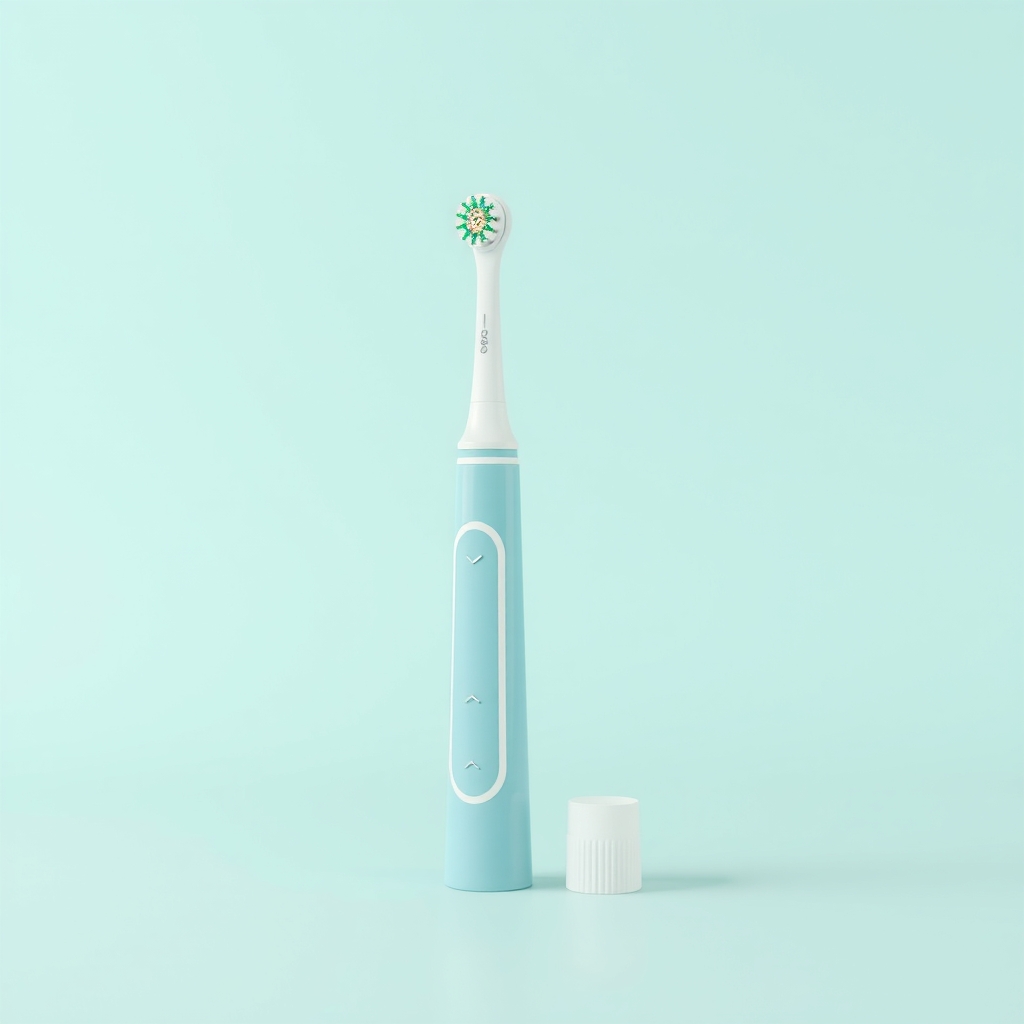
Electric toothbrushes, particularly oscillating-rotating or sonic types, do the movement work for you. Several dental studies suggest they can reduce plaque and mild gum inflammation slightly more than manual brushing over time. The difference is often modest, but for people who struggle with brushing technique or duration, an electric brush can help close that gap.
Technique Still Matters Most
No brush, however advanced, replaces good technique. Common mistakes we see include brushing too hard, rushing through in under a minute, and missing the gumline or back teeth. An electric brush with a built-in timer and pressure sensor can help correct these habits, but a manual brush used mindfully for two full minutes, twice daily, remains a solid choice.
Comparing Cost and Long-Term Value
Cost is often the deciding factor for many patients in Sector 37, Faridabad. Here is a general comparison, with the typical range you might expect locally.
| Factor | Manual Toothbrush | Electric Toothbrush |
|---|---|---|
| Initial cost (typical range) | ₹30 to ₹150 | ₹800 to ₹5,000+ |
| Ongoing cost | Replace every 3 months (typical range ₹30 to ₹150) | Replacement heads every 3 months (typical range ₹150 to ₹400 per head) |
| Maintenance | None | Charging required |
| Travel friendly | Very easy | Bulkier, needs charger |
Over a year, an electric toothbrush usually costs more upfront and in upkeep, but many patients find the convenience and consistent cleaning worth the investment. Manual brushes remain the more budget-friendly, no-fuss option.
Which One Suits Your Dental Needs?
The right choice often depends on your specific oral health situation rather than personal preference alone.
Electric Brushes May Help More If You Have:
- Limited hand mobility or arthritis, since the brush does the moving
- A tendency to brush too hard, as many models have pressure sensors
- Braces or orthodontic appliances that need extra thoroughness
- Mild gum disease where consistent plaque removal is important
- Difficulty remembering to brush for a full two minutes, since built-in timers help
Manual Brushes Work Well If You:
- Already have good brushing technique and discipline
- Prefer a simple, low-cost, low-maintenance option
- Travel frequently and want something lightweight
- Are brushing a young child who is still learning basic motor skills
Practical Tips Regardless of Brush Type
- Use a soft-bristled brush to avoid damaging enamel and gums.
- Brush for a full two minutes, covering all surfaces including the back teeth.
- Replace your brush or brush head every three months.
- Pair brushing with daily flossing or interdental cleaning.
- Use a fluoride toothpaste suited to your needs, such as one for sensitivity if required.
Ultimately, both electric and manual toothbrushes can keep your smile healthy when paired with the right habits. If you are unsure which option suits your teeth and gums, our team at Mukand Dental Care in Sector 37, Faridabad can assess your oral health and recommend a brushing routine tailored to you. Sometimes the answer is less about the brush and more about how it is used.
Have questions about your teeth?
Mukand Dental Care · Devi Sahai Market, Sector 37, Faridabad
Frequently asked questions
Is an electric toothbrush really better than a manual one?
Studies show electric toothbrushes, especially oscillating-rotating ones, can remove slightly more plaque than manual brushing when used correctly. But a manual toothbrush used with good technique for two full minutes twice a day works very well too. The biggest factor is consistency and technique, not just the brush type.
Can children use electric toothbrushes?
Yes, many children over age 3 can use electric brushes designed for kids. They often make brushing more fun and help with technique, but adult supervision is still needed to ensure proper coverage and time.
How often should I replace my toothbrush or brush head?
Replace manual toothbrushes and electric brush heads every 3 months, or sooner if the bristles look frayed. A worn brush cleans less effectively regardless of type.
Which toothbrush is better for people with braces or gum disease?
Electric toothbrushes, particularly those with pressure sensors and specialised heads, can make cleaning around braces and along the gumline easier. However, a manual brush with the right technique, along with interdental brushes, can also manage these conditions well. We can guide you based on your specific needs.
Treatment costs mentioned on this page are indicative ranges for the Sector 37, Faridabad region. Your exact cost depends on your case and will be confirmed after a clinical examination at the clinic.