Dental Sealants for Children: A Simple Way to Prevent Cavities
Many parents in Sector 37, Faridabad ask us how they can protect their child's teeth from cavities before problems start. One simple and effective option is dental sealants. This article explains what sealants are, how they work, and what to expect during the application process.
What Are Dental Sealants
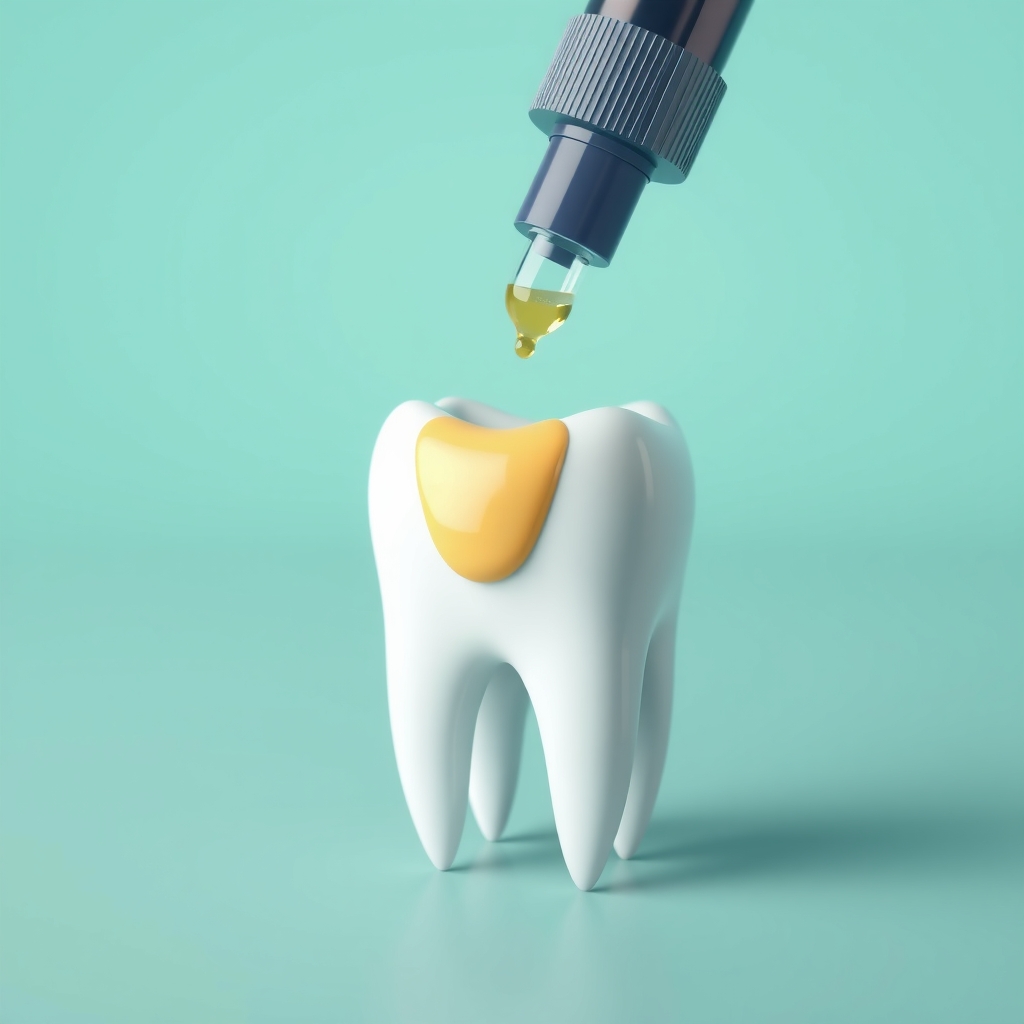
Dental sealants are thin, protective coatings applied to the chewing surfaces of the back teeth, mainly the molars and premolars. These teeth have deep grooves and pits where food particles and bacteria can easily get trapped. Since children may not always brush these areas thoroughly, sealants act as a barrier that keeps out plaque and food debris.
Why Molars Need Extra Protection
Molars are the teeth used most for chewing, and their surfaces are naturally uneven. Even with regular brushing, toothbrush bristles cannot always reach into the tiny grooves. This makes molars more prone to decay compared to the smoother front teeth. Sealants fill in these grooves, making the surface smoother and easier to clean.
How Sealants Help Prevent Cavities
When a sealant is applied, it forms a protective shield over the tooth surface. This blocks the pathway for bacteria and acids that cause tooth decay. Sealants are especially useful for children because their newly erupted permanent molars are still developing strong enamel and are more vulnerable during the first few years.
- They lower the risk of cavities in the deep grooves of molars
- They are quick and comfortable to apply
- They work well alongside fluoride use and regular brushing
- They are a conservative, non-invasive preventive step
It is important to understand that sealants do not guarantee a cavity-free mouth. Good oral hygiene, a balanced diet low in sugary snacks, and regular dental checkups remain necessary alongside sealants.
The Sealant Application Process
Getting sealants done is a straightforward, painless procedure that usually takes just a few minutes per tooth. Here is what typically happens during a visit:
- The tooth surface is cleaned and dried thoroughly
- A special gel is applied briefly to help the sealant bond to the tooth, then rinsed off
- The tooth is dried again to prepare it for the sealant material
- The sealant liquid is painted onto the grooves of the tooth
- A curing light is used to harden the sealant so it sets firmly in place
The entire process does not involve drilling or removing any part of the natural tooth. Most children find it comfortable, and there is no downtime afterward. They can eat and drink normally once the sealant has set.
Which Teeth Are Usually Sealed
Sealants are most commonly recommended for the first and second permanent molars, which typically erupt around ages 6 and 12. Some dentists may also suggest sealants for baby molars if a child has deep grooves and a higher risk of cavities, though this is decided on a case-by-case basis.
Caring for Sealed Teeth
Once sealants are applied, normal oral hygiene habits should continue. This includes brushing twice daily, flossing, and limiting sugary foods and drinks. Sealants should be checked during routine dental visits to make sure they remain intact, since they can wear down gradually over the years and may need reapplication.
| Aspect | Details |
|---|---|
| Procedure time | A few minutes per tooth |
| Pain involved | None, no drilling or anaesthesia needed |
| Typical age | Around 6 years and 12 years |
| Typical range for cost | Varies per tooth, please call for an estimate suited to your child's needs |
When to Talk to Your Dentist
If your child's permanent molars have recently come in, or if you have noticed deep grooves on their back teeth, it is a good time to discuss sealants with your dentist. A dental checkup can help determine whether your child is a good candidate and whether any other preventive steps, such as fluoride treatment, would also be helpful.
Parents in Sector 37, Faridabad looking for guidance on protecting their child's teeth can visit us for a simple assessment and honest advice tailored to their child's dental needs.
Have questions about your teeth?
Mukand Dental Care · Devi Sahai Market, Sector 37, Faridabad
Frequently asked questions
At what age should my child get dental sealants?
Most dentists recommend sealants soon after the permanent molars come in, usually around age 6 for the first molars and age 12 for the second molars. Your dentist can check your child's teeth and suggest the right time.
Do sealants hurt or need anaesthesia?
No. Applying sealants is painless and does not require drilling or numbing. Most children sit comfortably through the short procedure.
How long do dental sealants last?
Sealants typically last several years with normal use, though they can wear down over time. Your dentist will check them during regular checkups and reapply if needed.
Can sealants replace brushing and flossing?
No. Sealants add extra protection to the chewing surfaces of back teeth, but daily brushing, flossing, and regular dental visits are still necessary for overall oral health.
Treatment costs mentioned on this page are indicative ranges for the Sector 37, Faridabad region. Your exact cost depends on your case and will be confirmed after a clinical examination at the clinic.