The Right Way to Brush Your Teeth: A Step-by-Step Guide
Most of us have been brushing our teeth since childhood, but that does not always mean we are doing it correctly. At Mukand Dental Care in Sector 37, Faridabad, we often see patients with plaque buildup and early gum irritation despite brushing regularly. The reason is usually technique, not effort. This guide breaks down the correct angle, motion, and duration so your daily routine actually protects your teeth and gums.
The Right Brushing Angle
Hold your toothbrush at a 45-degree angle to your gumline. This angle allows the bristles to clean both the tooth surface and the small gap where the tooth meets the gum, which is where plaque tends to collect. Pointing the brush straight at the tooth surface misses this critical area.
The Correct Motion
Many people scrub back and forth in long, hard strokes, thinking more pressure means a cleaner mouth. This is one of the most common mistakes and can actually wear down enamel and irritate gums over time.
- Use short, gentle, circular or back-and-forth strokes covering just one or two teeth at a time
- Move the brush gently rather than scrubbing hard
- Gradually work your way around the entire mouth so no area is rushed
Covering All Surfaces
It helps to think of your mouth in sections:
- Outer surfaces of upper teeth, then lower teeth
- Inner surfaces of upper teeth, then lower teeth
- Chewing surfaces of all teeth
- Gently brush your tongue to reduce bacteria and freshen breath
How Long Should You Brush?
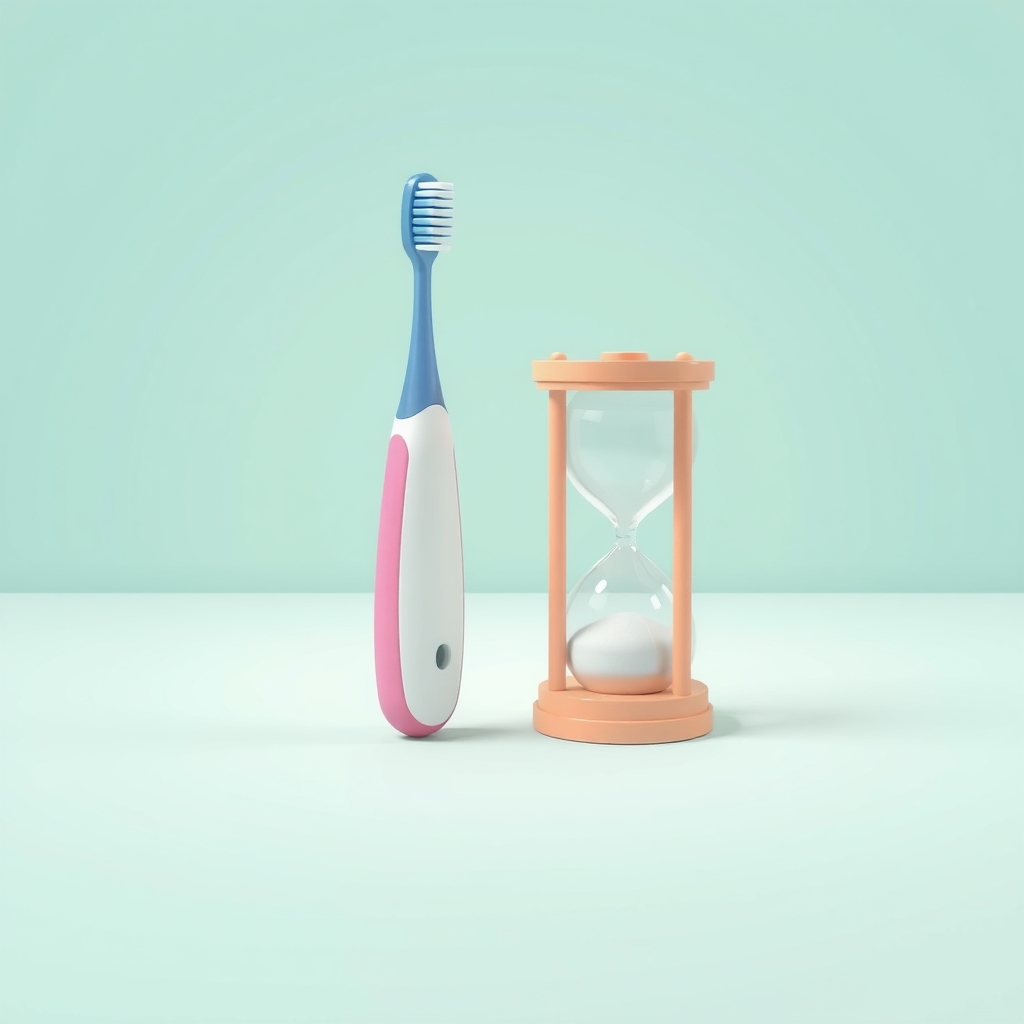
Dentists recommend brushing for a full two minutes, twice a day. That works out to about 30 seconds per section if you divide your mouth into four quadrants. Many people brush for only 30 to 45 seconds total, which is simply not enough time to clean every surface properly. Using a timer or an electric brush with a built-in timer can help you stay on track.
Common Brushing Mistakes
| Mistake | Why It Matters |
|---|---|
| Brushing too hard | Can wear down enamel and cause gum recession over time |
| Using a hard-bristled brush | Soft bristles clean just as effectively with less damage to gums |
| Rushing through brushing | Leaves plaque behind, especially near the gumline and back teeth |
| Not replacing the brush | Worn bristles clean less effectively after 3 to 4 months of use |
| Skipping the tongue | Bacteria on the tongue contribute to bad breath and plaque |
| Brushing immediately after acidic food | Enamel is temporarily softened and more prone to wear |
Choosing the Right Tools
A soft-bristled brush is recommended for almost everyone, as it cleans effectively without harming enamel or gums. Whether you use a manual or electric toothbrush is largely a personal choice, though electric brushes can make it easier to maintain consistent pressure and timing. Fluoride toothpaste remains important for strengthening enamel and preventing decay.
Building a Consistent Routine
Brushing technique matters, but consistency matters just as much. Try to brush at the same times each day, such as after breakfast and before bed, so it becomes a habit rather than an afterthought. Pairing brushing with daily flossing gives a more complete clean, since brushing alone cannot reach tightly packed areas between teeth.
When to See a Dentist
Even with good brushing habits, plaque can harden into tartar that only professional cleaning can remove. If you notice persistent bleeding, swelling, bad breath, or sensitivity despite improving your technique, it is worth getting checked. Regular dental visits every six months help catch problems early, before they become more involved or costly to treat.
If you are in Sector 37, Faridabad, and would like a hands-on demonstration of proper brushing technique or want your gums and teeth checked for early signs of plaque-related issues, the team at Mukand Dental Care at Devi Sahai Market is happy to help.
Have questions about your teeth?
Mukand Dental Care · Devi Sahai Market, Sector 37, Faridabad
Frequently asked questions
How long should I brush my teeth each time?
Two minutes, twice a day, is the standard recommendation. Most people brush for less than a minute, which is not enough time to clean all surfaces properly.
Is it better to brush before or after breakfast?
Brushing before breakfast is generally gentler on teeth, especially if you are eating acidic foods like citrus or juices. If you brush after eating, wait at least 30 minutes.
Why do my gums bleed when I brush?
Mild bleeding often means gum inflammation from plaque buildup, not from brushing too hard. It usually improves within one to two weeks of consistent, gentle brushing. If it continues, please visit us for a check-up.
Should I brush right after eating sweets or snacks?
Wait at least 30 minutes after eating, especially acidic or sugary foods, so your enamel has time to reharden before brushing.
Treatment costs mentioned on this page are indicative ranges for the Sector 37, Faridabad region. Your exact cost depends on your case and will be confirmed after a clinical examination at the clinic.