Everyday Habits That Silently Damage Your Teeth
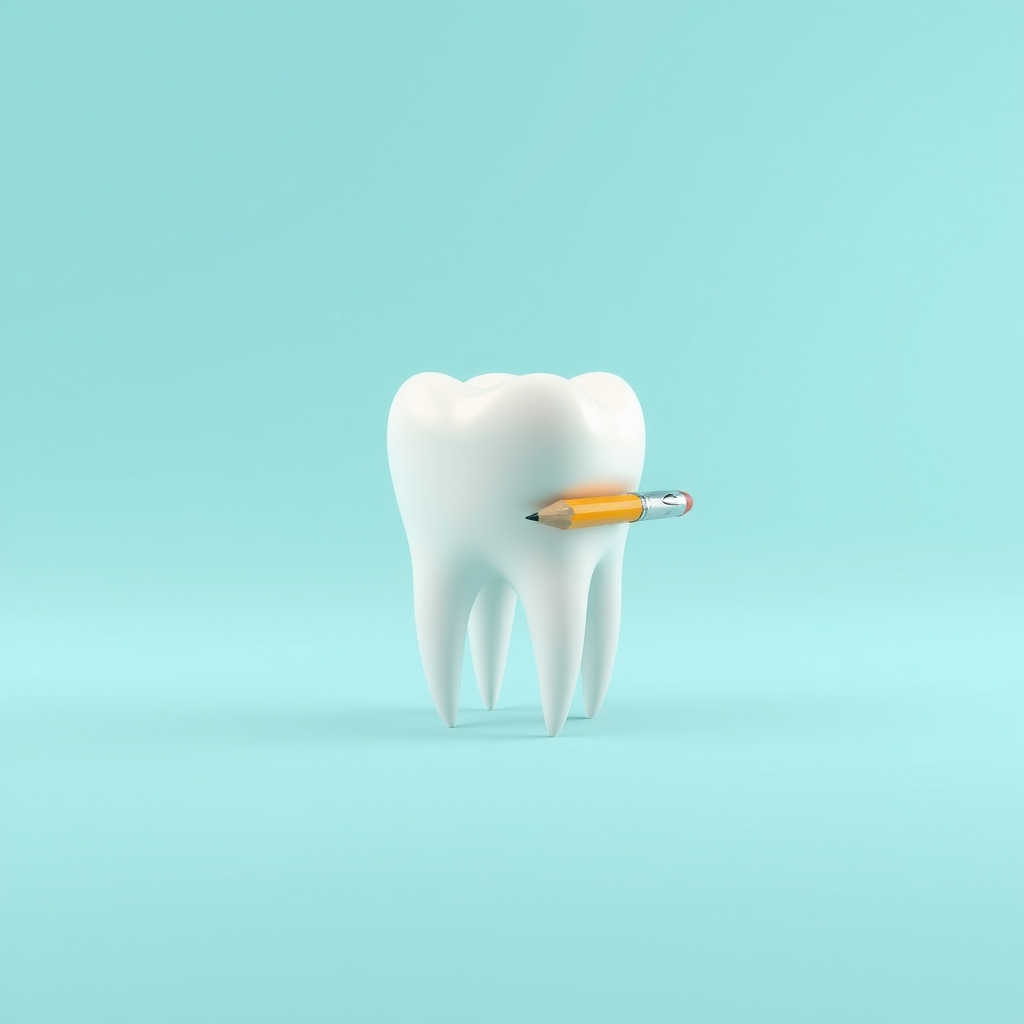
Most people in Sector 37, Faridabad take good care of their teeth with regular brushing and flossing. Yet small daily habits, the ones we barely notice, can undo a lot of that good work. Nail-biting, chewing ice, and using your teeth to open packets or bottle caps are common examples. They may seem harmless, but over months and years they can wear down enamel, crack teeth, and strain your jaw.
Why These Habits Are Harder on Teeth Than You Think
Teeth are strong, but they are designed mainly for biting and chewing food, not for cutting plastic or crushing ice. Enamel, the hard outer layer of teeth, does not regenerate once it is lost. Small chips or cracks caused by repeated stress may not hurt right away, but they can grow larger over time and sometimes lead to sensitivity, uneven edges, or a broken tooth.
Nail-Biting
Nail-biting puts repeated pressure on the front teeth, usually the same ones each time. This can lead to:
- Chipped or uneven front teeth edges
- Increased strain on the jaw joint from prolonged clenching
- Higher risk of infection if biting breaks the skin around nails and introduces bacteria to the mouth
Chewing Ice
Ice feels harmless because it is just frozen water, but it is extremely hard and unforgiving on tooth structure. Common effects include:
- Hairline cracks in enamel that may not be visible to the eye
- Damage to existing fillings or crowns
- Increased tooth sensitivity to cold or sweet foods
Using Teeth as Tools
Opening packets, bottle caps, or tags with your teeth puts sudden, uneven force on specific teeth, usually the front ones. This can result in:
- Sudden chips or fractures
- Loosening of a tooth if the force is strong enough
- Wear patterns that make teeth look uneven over time
Signs the Damage May Already Be Starting
You may not notice damage right away, since enamel wear and small cracks are often gradual. Watch for these signs:
- Rough or jagged edges on front teeth
- Increased sensitivity to cold drinks or air
- Small chips you can feel with your tongue
- Jaw soreness, especially after nail-biting sessions
How to Break These Habits
Breaking a long-standing habit takes patience, but small changes can make a real difference.
- Keep hands and mouth busy: For nail-biting, try a stress ball or fidget toy during stressful moments.
- Bitter-tasting nail polish: Available at most pharmacies, this can discourage nail-biting without any harsh chemicals on teeth.
- Keep scissors handy: Store a small pair of scissors in your bag, car, or kitchen drawer so you are not tempted to use your teeth to open packets.
- Swap ice for cold drinks without ice: If you enjoy the cold sensation, try chilled water instead of chewing on ice cubes.
- Identify your triggers: Many of these habits increase during stress, boredom, or concentration. Noticing when you do it is the first step to stopping.
When to See a Dentist
If you already have a habit like these, it is worth getting your teeth checked even if nothing hurts yet. A simple examination can catch small chips or cracks before they turn into bigger problems like a broken tooth or the need for a root canal.
| Concern | Typical Range (Sector 37, Faridabad) |
|---|---|
| Routine dental check-up | Rs. 300 to Rs. 600 |
| Minor chip repair (composite bonding) | Rs. 1,000 to Rs. 3,000 per tooth |
| Night guard for clenching related to habits | Rs. 2,500 to Rs. 6,000 |
These are typical ranges only and the exact cost depends on the extent of damage and treatment needed. Our team at Mukand Dental Care, Devi Sahai Market, Sector 37, Faridabad can give you a clear picture after an examination.
Small daily habits add up over the years. If you recognise yourself in any of these patterns, the good news is that most can be changed with a little awareness and the right support. A regular check-up can also help you understand exactly how your teeth are holding up.
Have questions about your teeth?
Mukand Dental Care · Devi Sahai Market, Sector 37, Faridabad
Frequently asked questions
Is chewing ice really that bad for my teeth?
Yes. Ice is much harder than enamel can comfortably handle. Repeated chewing can cause tiny cracks that weaken teeth over time, even if you do not feel pain immediately.
Can nail-biting shift my teeth?
Over many years, frequent nail-biting can contribute to minor shifting of front teeth and added pressure on the jaw joint, though the effect varies from person to person.
What should I do if I think I have already damaged a tooth from these habits?
Book a check-up so we can look for chips, cracks, or wear patterns early. Small issues are usually easier and more affordable to manage than ones that are left untreated.
Are these habits linked to stress?
Often yes. Nail-biting and teeth clenching can increase during stressful periods. Managing stress alongside breaking the physical habit tends to give better results.
Treatment costs mentioned on this page are indicative ranges for the Sector 37, Faridabad region. Your exact cost depends on your case and will be confirmed after a clinical examination at the clinic.